Effective Heat Incident Documentation UAE Employers Need for Compliance and Protection
In the high-stakes environment of UAE construction and outdoor labor, managing heat-related illnesses is a critical safety priority. However, the physical response to an incident is only half the battle for HSE managers. Professional heat incident documentation UAE employers maintain serves as the primary shield against legal liability and regulatory penalties. When an operative succumbs to <a href="/tools/heat-stress-assessment">heat stress</a>, the burden of proof rests on the organization to demonstrate that all reasonable preventative measures were taken. Establishing a rigorous, evidence-based documentation protocol ensures that every incident is recorded with the precision required for both internal safety improvements and external Ministry of Human Resources and Emiratisation inspections.
Immediate Capture: Scene-Level Documentation and Response
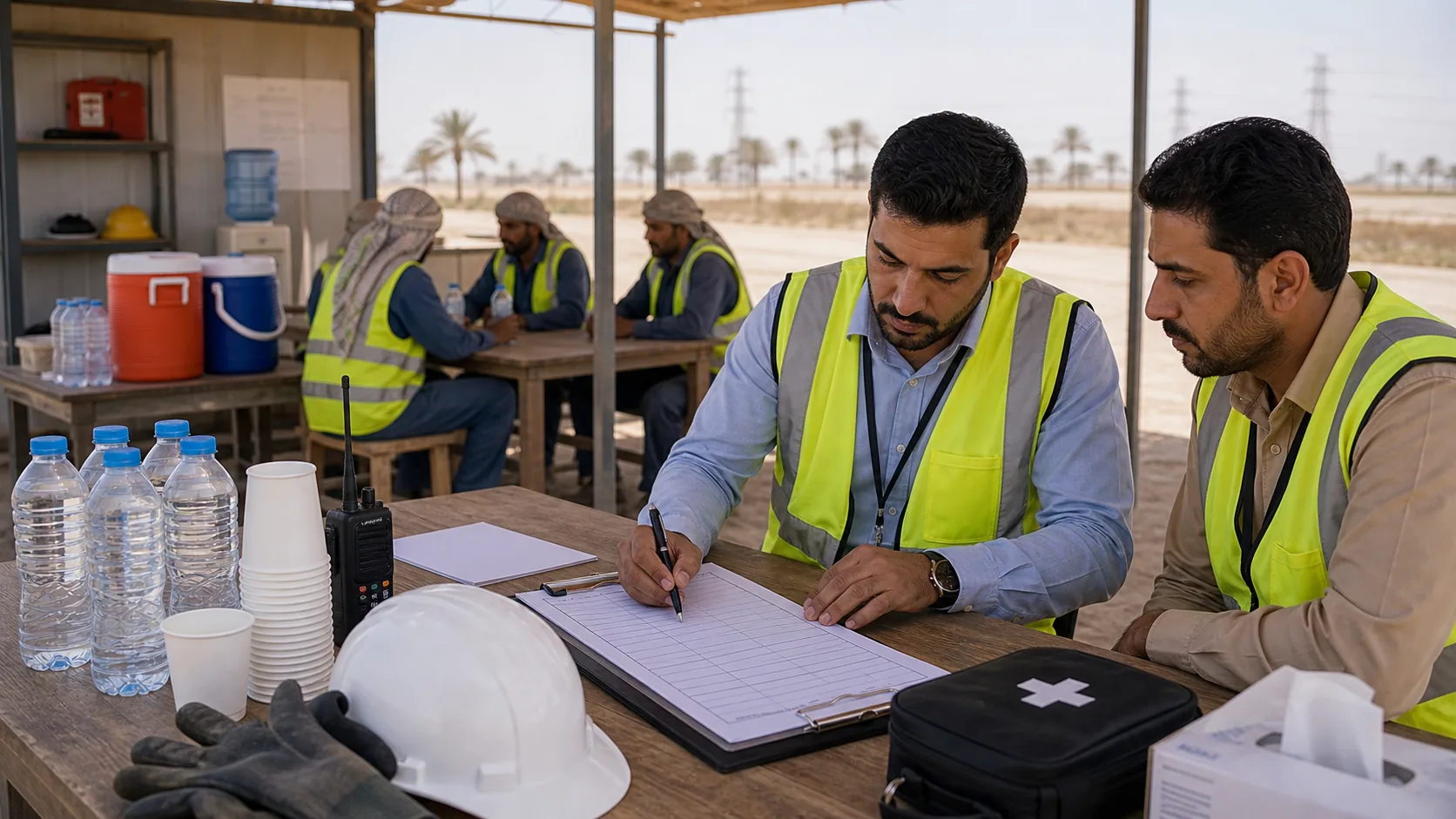
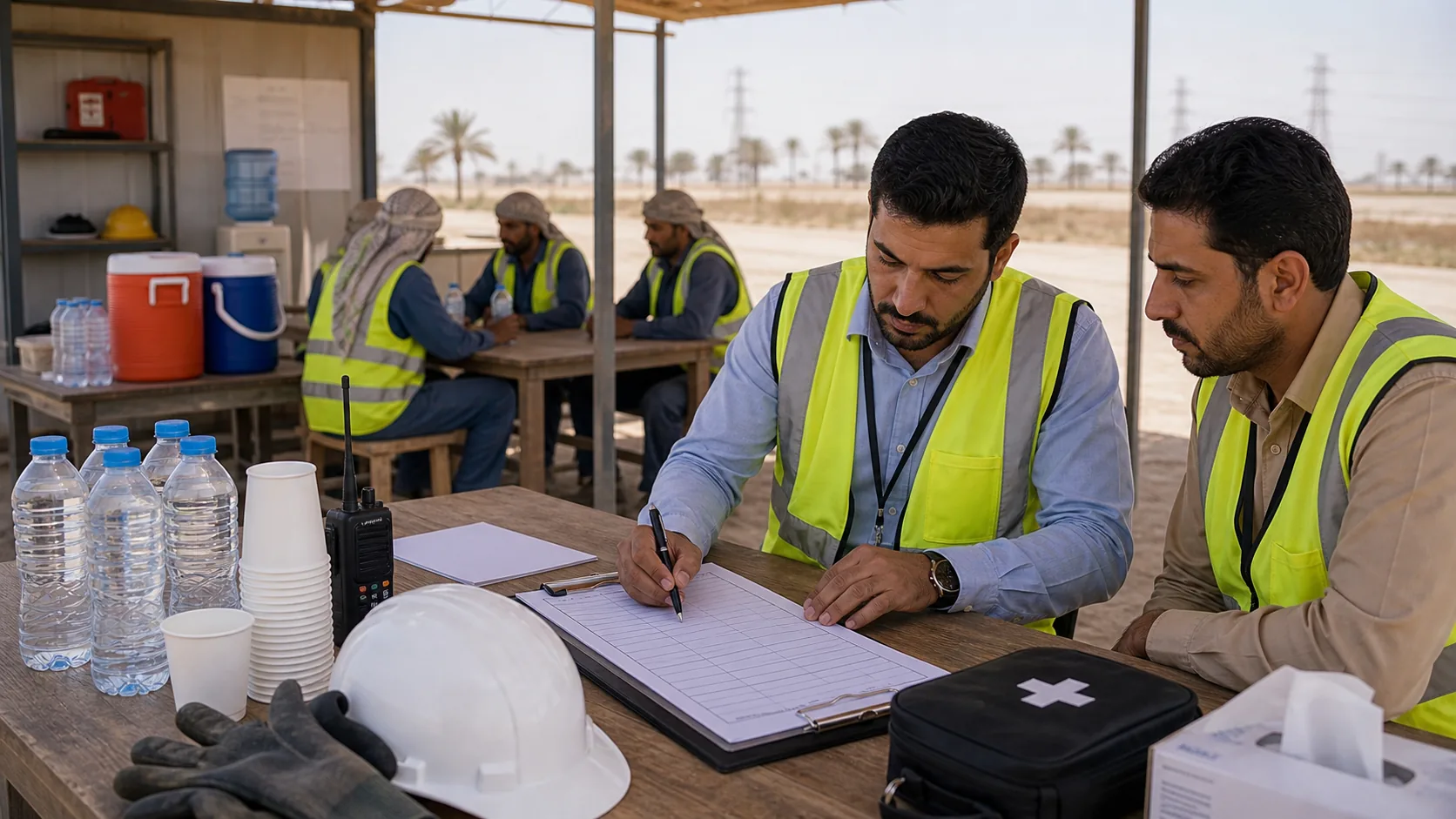
The first fifteen minutes following a heat illness event are the most critical for accurate data collection. The site supervisor or the designated first aider must capture the exact time and location of the incident along with the immediate environmental conditions, including ambient temperature and humidity levels. It is essential to document specific worker details, including their current role, the duration of their time spent outdoors prior to the event, and the time of their last observed hydration break. Symptoms must be recorded exactly as they appeared, ranging from muscle cramps to cognitive disorientation, alongside the specific response actions taken by the team. This immediate scene-level record provides the raw data necessary for a credible heat incident documentation UAE employers process, ensuring that gaps in memory do not compromise the integrity of the safety record later.
The First 24 Hours: Reporting and Medical Integration
Once the worker has been stabilized or transferred to medical care, the HSE manager must shift focus to formalizing the record within the first 24 hours. This phase involves the completion of a comprehensive internal incident report that synthesizes the scene-level data into a formal narrative. Employers must also determine if the event triggers a mandatory MOHRE notification, which is generally required for serious incidents involving hospital treatment or fatalities. During this window, obtaining an official medical report from the treating facility is paramount to corroborate the site’s internal findings. This secondary layer of documentation verifies the severity of the illness and provides a professional clinical baseline that integrates directly into the broader safety file.
Investigation and the Critical Role of Hydralyte Supply Records
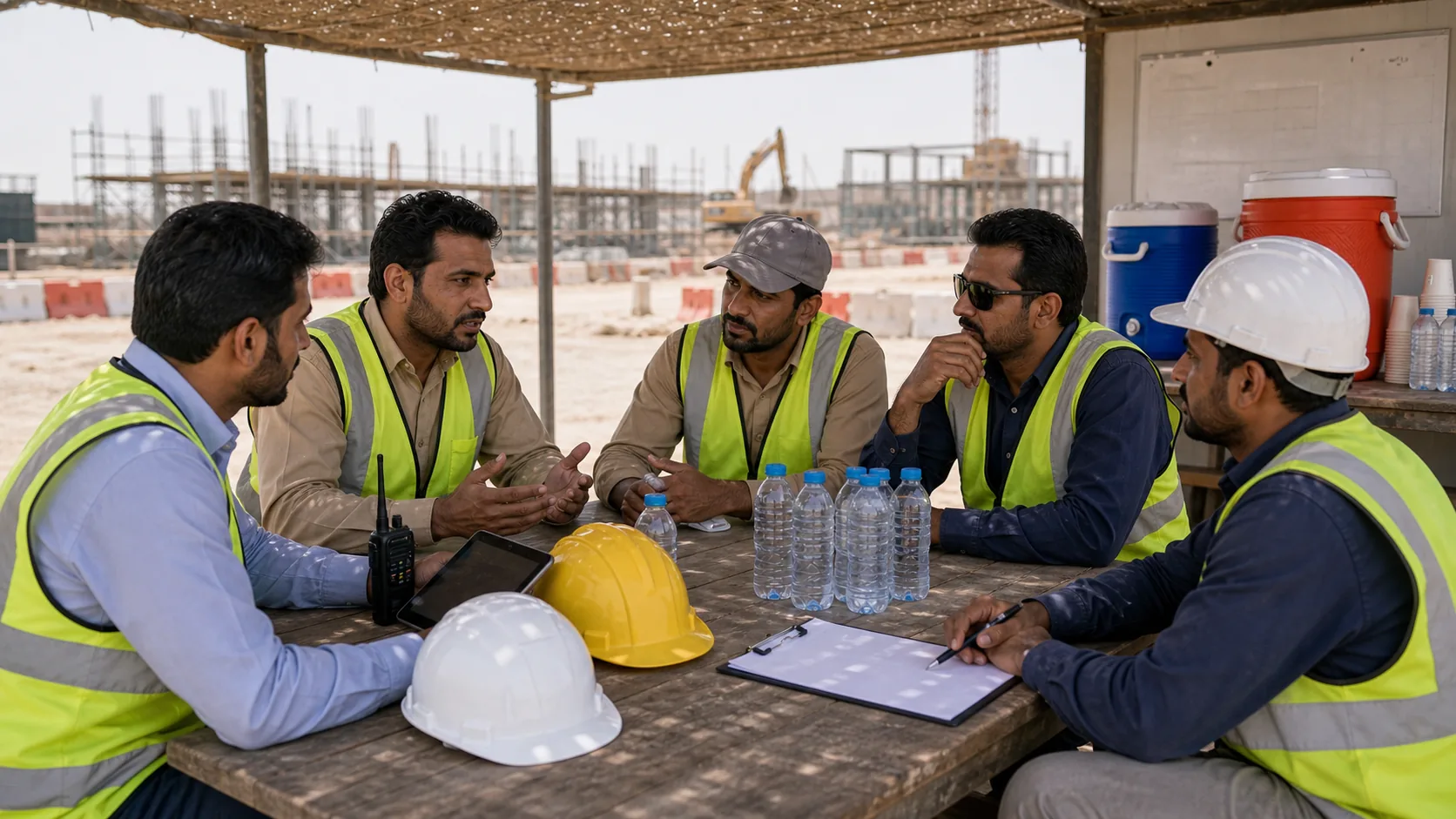
A deep-dive investigation into the root cause of the incident is the next mandatory step. This investigation must look beyond the immediate event to analyze the prior conditions and preventative measures in place. This is the stage where proactive Hydralyte supply and distribution records become the most critical evidence in your defense. By presenting documented proof of consistent Hydralyte procurement and daily distribution logs, an employer can demonstrate a proactive and compliant hydration strategy. These records show that the worker had access to specialized electrolyte solutions designed for high-heat environments, effectively countering claims of inadequate provision. Proving that the organization moved beyond simple water provision to implement a professional-grade electrolyte program like Hydralyte is essential for a successful heat incident documentation UAE employers investigation outcome.
Preventive Action and Continual Improvement Records
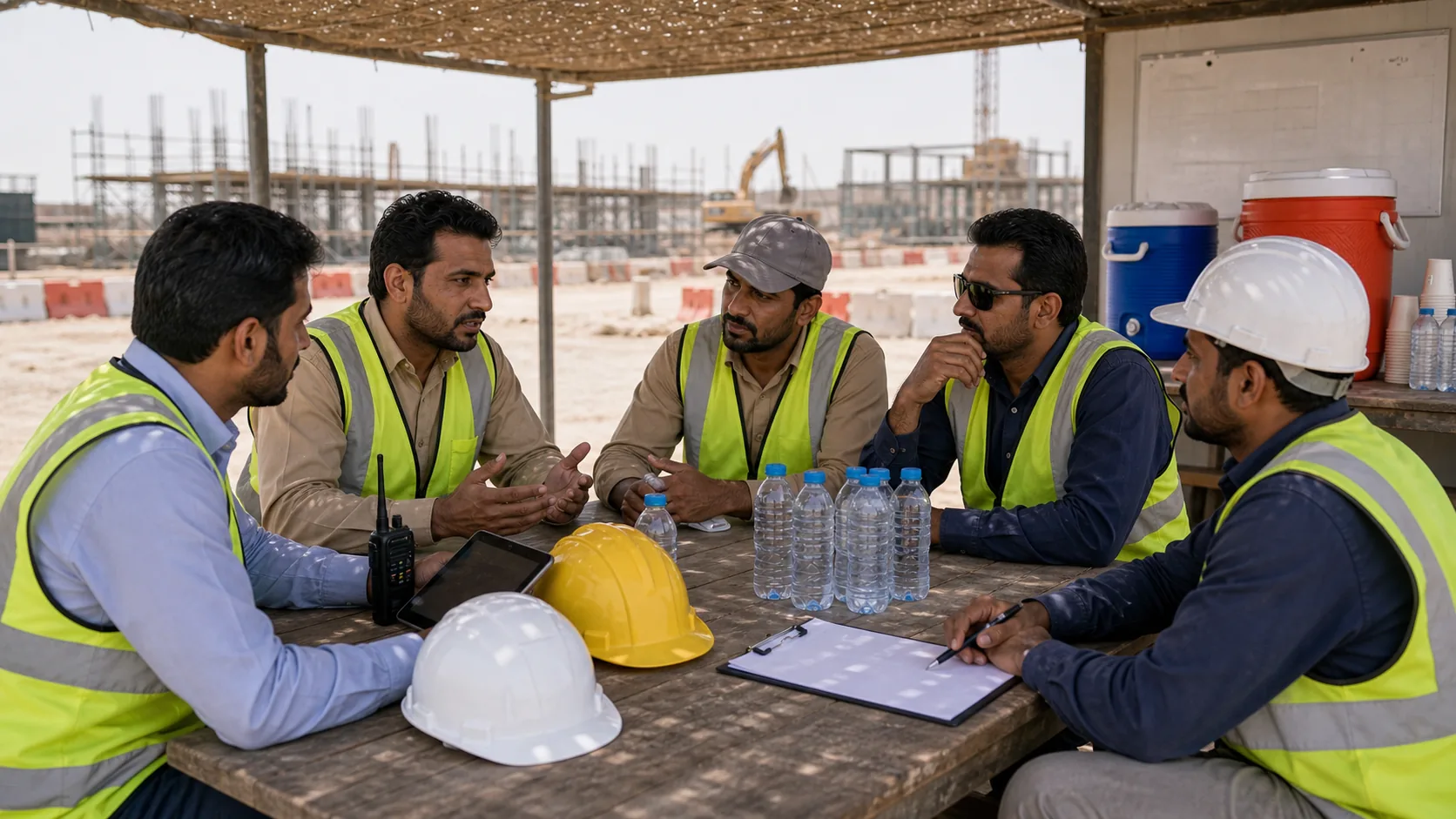
The final stage of the documentation lifecycle is the record of preventive actions taken to ensure the incident does not recur. UAE labor laws emphasize the obligation of continual improvement in workplace safety. HSE managers must document any changes made to site protocols, such as increased monitoring frequency, enhanced shade structures, or adjustments to work-rest cycles. These changes must be cross-referenced with updated training records that show the workforce and supervisors have been briefed on the new measures. This thorough approach to preventive documentation demonstrates to regulators that the organization remains committed to the highest standards of duty of care. For comprehensive support in building a compliant hydration and documentation framework, contact our experts at contact our team.
Frequently Asked Questions
What should be captured within the first 15 minutes of a heat illness incident?
Exact time and location, environmental conditions, worker's role and time spent outdoors, when the worker last consumed water and electrolytes, symptoms observed by the first responder, and the immediate response actions taken. Capture while conditions are fresh — delay creates gaps that are difficult to fill later.
When must a UAE employer notify MOHRE about a heat illness incident?
Serious incidents requiring hospital treatment must be reported. Fatalities must be reported immediately. Employers should have the MOHRE reporting procedure included in their incident response protocol before summer begins.
How do Hydralyte supply and distribution records support an employer during investigation?
MOHRE investigators assess whether the employer provided required protective measures. Procurement records showing consistent Hydralyte supply and daily distribution logs showing the worker received scheduled servings are primary evidence. Sites without these records cannot demonstrate compliance — the absence of documentation is itself evidence of inadequate provision.
Recognising the Stages of Heat-Related Illness
Heat-related illness progresses through distinct stages, each requiring escalating intervention. Understanding these stages enables supervisors to intervene early — before a heat stress incident becomes a medical emergency.
- Stage 1 — Heat Cramps: Muscle spasms in legs, arms, or abdomen. Caused by electrolyte depletion. Intervention: Rest in shade, provide Hydralyte, stretch affected muscles.
- Stage 2 — Heat Exhaustion: Heavy sweating, weakness, cold/clammy skin, nausea, dizziness. Core temperature below 40°C. Intervention: Remove from heat immediately, cool actively, provide Hydralyte, monitor for 30 minutes.
- Stage 3 — Heat Stroke: Hot/dry skin, confusion, loss of consciousness, core temperature above 40°C. Medical emergency. Intervention: Call emergency services immediately, cool aggressively, do NOT give fluids if unconscious.
The critical window between heat exhaustion and heat stroke can be as short as 15–30 minutes. Proactive electrolyte hydration with Hydralyte throughout the workday prevents workers from ever reaching Stage 1.
Building a Site-Level Heat Stress Response Plan
Every outdoor work site in the UAE should have a documented heat stress response plan that includes: designated cool-down zones within 50m of work areas, trained first aiders on every shift, emergency cooling equipment (ice packs, misting fans), and pre-positioned Hydralyte electrolyte stocks at every welfare station and first aid point.
Train all workers — not just supervisors — to recognise heat stress symptoms in colleagues. Buddy-system monitoring is one of the most effective early warning mechanisms, especially during peak heat hours. Ensure your plan includes MoHRE compliance documentation requirements.
🏗 Protecting Outdoor Workers? Hydralyte supplies bulk electrolyte programs for construction, oil & gas, logistics, and manufacturing companies across the GCC — with full MoHRE compliance documentation. See Industry Hydration Programs →
🛒 Ready to try Hydralyte? Available in three refreshing flavours across multiple pack sizes — from individual sachets to 800g bulk pouches. Shop Hydralyte Online → or request a corporate quote.