Understanding the Electrolyte Drink vs Coconut Water Workers UAE Comparison for Industrial Safety
In the demanding climate of the United Arab Emirates, maintaining proper hydration for outdoor <a href="/industries">workforce</a>s is a critical safety priority. HSE managers frequently evaluate various hydration methods to ensure compliance with occupational health standards. A common point of discussion is the effectiveness of an electrolyte drink vs coconut water workers UAE comparison. While both options offer hydration benefits, understanding the technical differences between a standardized Oral Rehydration Solution (ORS) and natural alternatives is essential for preventing heat-related illnesses and ensuring regulatory compliance on industrial sites.
Cultural Familiarity and the Popularity of Coconut Water in UAE Workforces
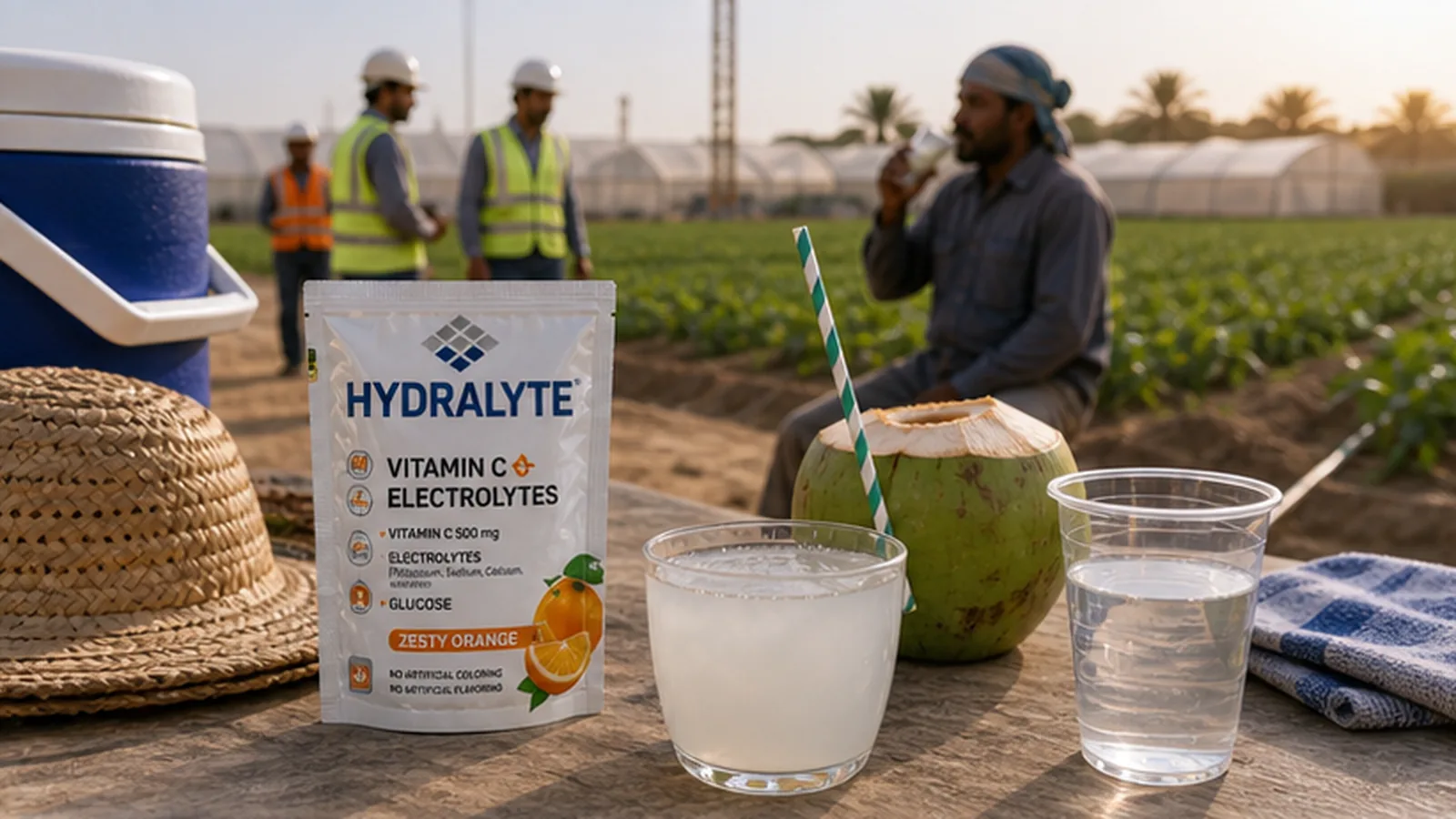
Coconut water holds significant cultural importance for many members of the UAE industrial workforce, particularly those from South Asian and Southeast Asian communities. For these workers, coconut water is a familiar, traditional health drink associated with natural cooling and refreshment. This cultural background, combined with the widespread availability of coconut water in UAE retail outlets and its frequent marketing as a superior hydration source, often leads workers to view it as a primary defense against <a href="/tools/heat-stress-assessment">heat stress</a>. For HSE managers, acknowledging this cultural preference is a vital first step in addressing hydration questions constructively. By respecting the tradition while introducing scientific benchmarks, management can better guide workers toward the most effective rehydration tools for the extreme physical demands of a Gulf summer.
Technical Analysis of Coconut Water Composition vs established oral rehydration science
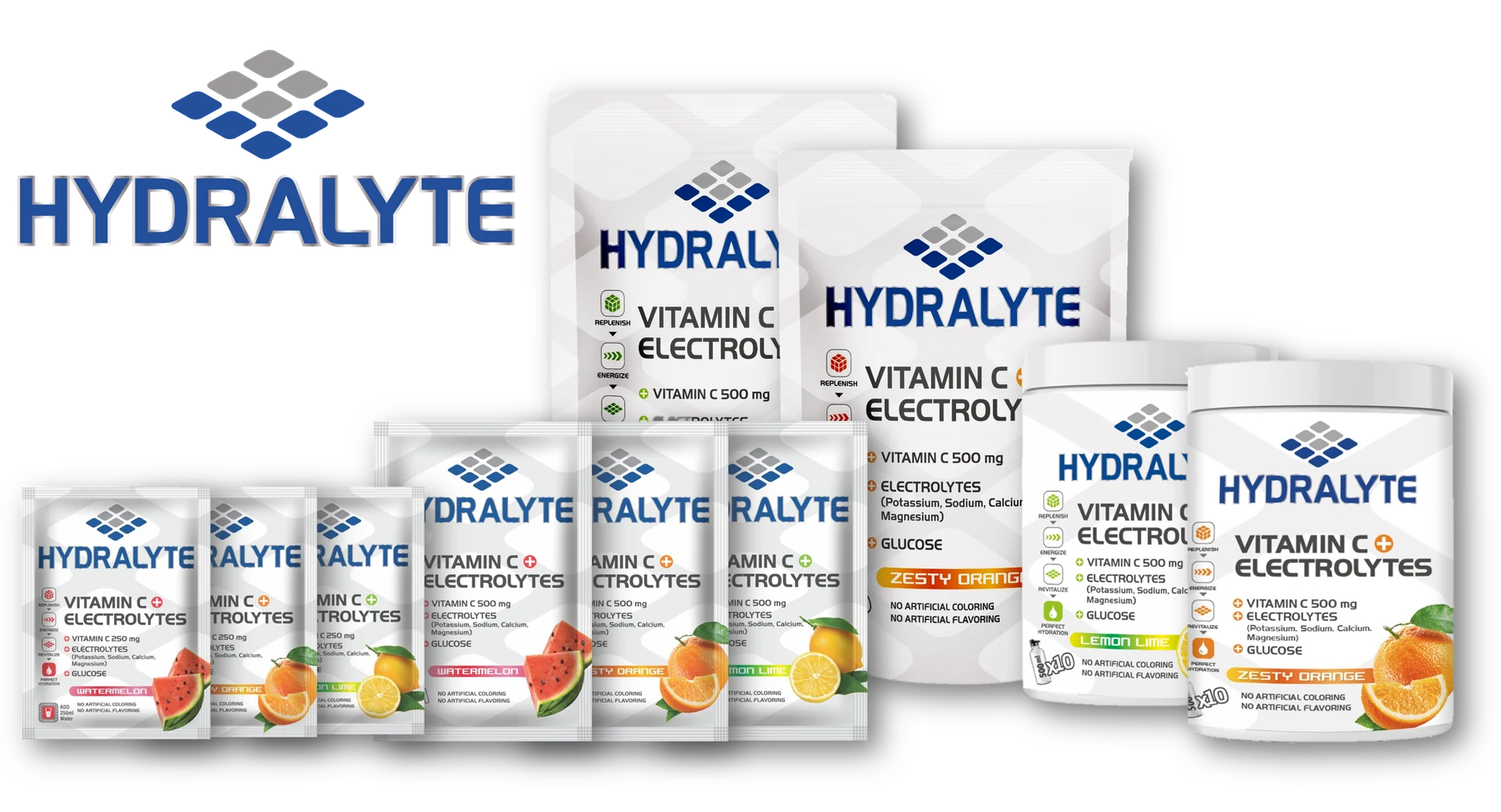
When conducting an electrolyte drink vs coconut water workers UAE technical review, the primary concern is the precision of the electrolyte ratio. Natural coconut water is rich in potassium, often providing around 600mg per 100ml, which is beneficial for muscle function. However, its sodium content is typically low, around 105mg per 100ml, and its glucose concentration is not calibrated to the World Health Organization ORS standards. The ORS approach relies on a precise sodium-glucose cotransport mechanism to accelerate water absorption into the bloodstream. Because the natural composition of coconuts varies significantly based on soil, age, and variety, coconut water cannot provide the consistent, standardized electrolyte delivery required for medical-grade rehydration. In contrast, Hydralyte stick packs and sachets are manufactured to exact specifications, ensuring every serving activates the body's absorption mechanisms optimally and predictably.
Practical Limitations and Compliance Challenges with Coconut Water on Site
Beyond nutritional science, practical logistics make coconut water difficult to implement as a primary occupational hydration strategy. Coconut water typically requires refrigeration, has a shorter shelf life, and comes in liquid cartons that are cumbersome to distribute and store at scale compared to dry powder formats. The per-serving cost of high-quality coconut water is also significantly higher than professional ORS alternatives. Most importantly for HSE managers, coconut water lacks the necessary compliance documentation for MOHRE audits. Unlike Hydralyte, which provides ingredient certifications, batch traceability, and nutritional declarations, coconut water is classified as a food product and cannot satisfy the documented evidence required for workplace heat stress compliance programs.
Communicating the Difference: Using the Right Tool for Occupational Safety
HSE managers should communicate the difference between an electrolyte drink vs coconut water workers UAE by using a respectful, fact-based approach. It is effective to explain that while coconut water is an excellent nutritional choice in a personal or leisure context, the extreme conditions of a UAE worksite require a specialized tool. A documented ORS like Hydralyte is engineered specifically for occupational safety, providing the exact levels of sodium and glucose needed to protect against heat exhaustion. By framing the switch to Hydralyte sachets as a move toward a more reliable and scientifically validated safety standard, managers can ensure workers feel both respected and protected. To learn more about implementing a compliant hydration program or to request bulk pricing, contact the Hydralyte team at contact our team.
Frequently Asked Questions
Is coconut water a suitable replacement for ORS drinks for UAE outdoor workers?
Coconut water contains beneficial potassium but its electrolyte composition — while nutritionally useful — is not calibrated to established oral rehydration principles. Sodium content is lower than ORS requires for optimal sodium-glucose cotransport activation, glucose concentration is not standardized for absorption activation, and natural composition varies significantly between products. Additionally, coconut water cannot provide compliance documentation for MOHRE audit purposes, which ORS products like Hydralyte can.
Why can coconut water not be used to satisfy MOHRE electrolyte provision requirements?
MOHRE's electrolyte supplement requirement specifies products aligned with standard ORS composition standards — specific sodium, potassium, and glucose concentrations for rehydration efficacy. Coconut water is a food product without standardized ORS composition documentation. No coconut water supplier can provide the ingredient certifications, batch traceability, and compliance declarations that a MOHRE audit file requires for documented electrolyte provision.
How should HSE managers communicate the ORS vs coconut water distinction to workers?
Acknowledge that coconut water is nutritionally valuable in other contexts — this respects workers' cultural familiarity with the product. Explain clearly that for the specific purpose of preventing heat illness on UAE summer sites, a standardized, documented ORS formula like Hydralyte delivers consistent electrolyte replacement every time, with compliance documentation that satisfies UAE regulations. Frame the switch as using the right tool for the specific job.
🛒 Ready to try Hydralyte? Available in three refreshing flavours across multiple pack sizes — from individual sachets to 800g bulk pouches. Shop Hydralyte Online → or request a corporate quote.
The SGLT1 Mechanism: How Electrolyte Drinks Actually Work
Understanding why electrolyte drinks work requires understanding the sodium-glucose co-transport mechanism (SGLT1) in the small intestine. This mechanism transports sodium and glucose molecules together across the intestinal wall, pulling water along by osmosis. This is why plain water alone — without electrolytes and glucose — is absorbed significantly slower.
Hydralyte's isotonic formula is specifically calibrated to optimise SGLT1 transport. The precise ratio of sodium, glucose, potassium, chloride, and calcium matches the body's natural fluid osmolality (280–295 mOsm/L), enabling absorption up to 3× faster than water alone.
This is fundamentally different from hypotonic solutions (which have lower osmolality than body fluids) and hypertonic solutions (which have higher osmolality). While hypotonic solutions may absorb slightly faster in the intestine, they provide less complete electrolyte replacement — meaning workers need to consume more volume to achieve the same rehydration effect.
Why Potassium-Rich Formulas Are Safer for Daily Use
Most traditional ORS formulas are high in sodium because they were originally designed for treating acute dehydration from diarrhoea and cholera. Consuming high-sodium formulas daily across a 3-month UAE summer season can contribute to elevated blood pressure, cardiovascular strain, and kidney stress.
Hydralyte reverses this ratio — high potassium, low sodium. Potassium supports muscle function, heart health, and cellular hydration. This makes Hydralyte safe for proactive daily use rather than just reactive emergency treatment. For workers consuming electrolyte drinks 6–8 times per day during summer, this distinction is significant.