Effective Management of Oil and Gas <a href="/tools/heat-stress-assessment">Heat Stress</a> for GCC Workers through Structured Hydration Strategies
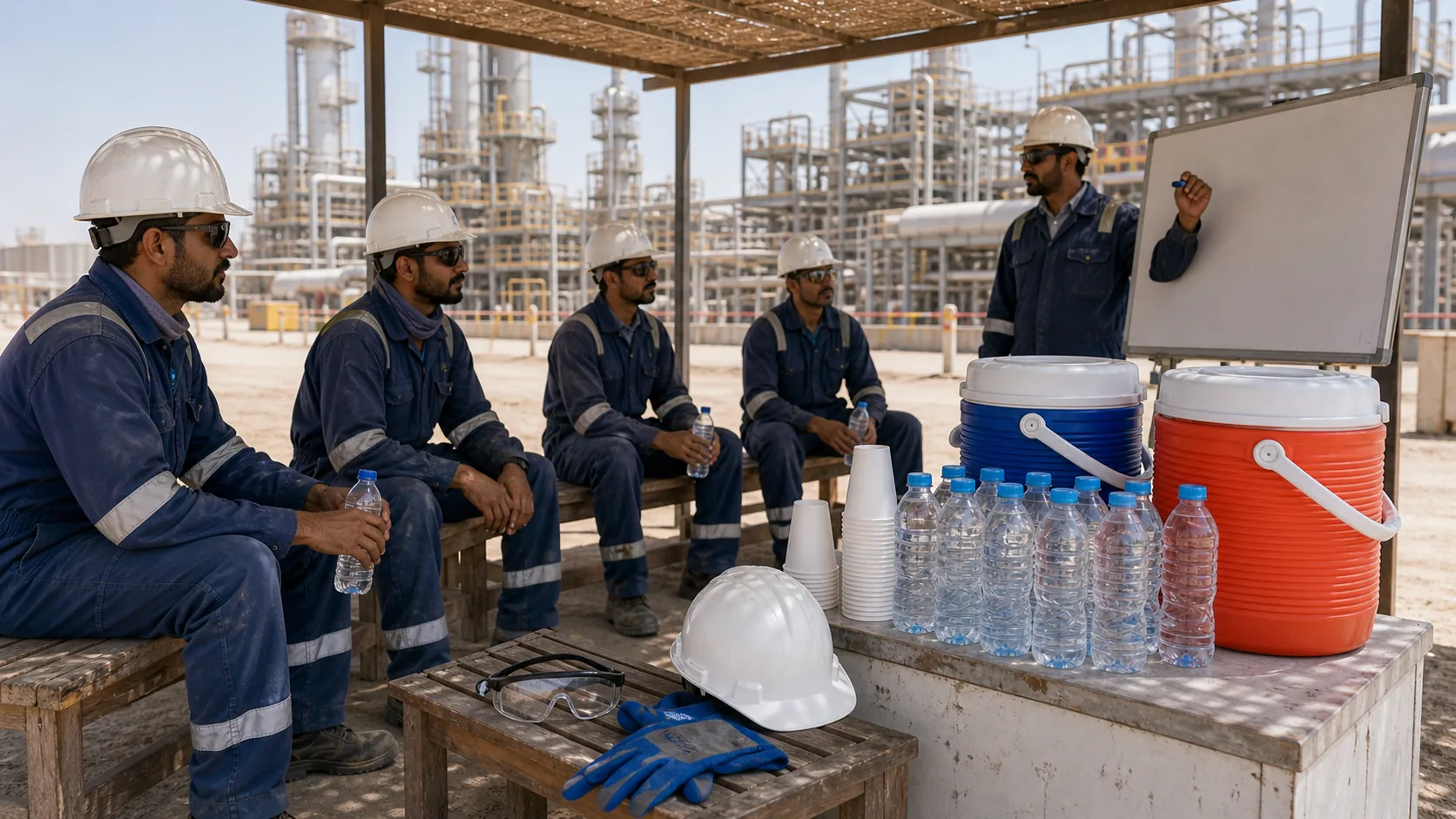
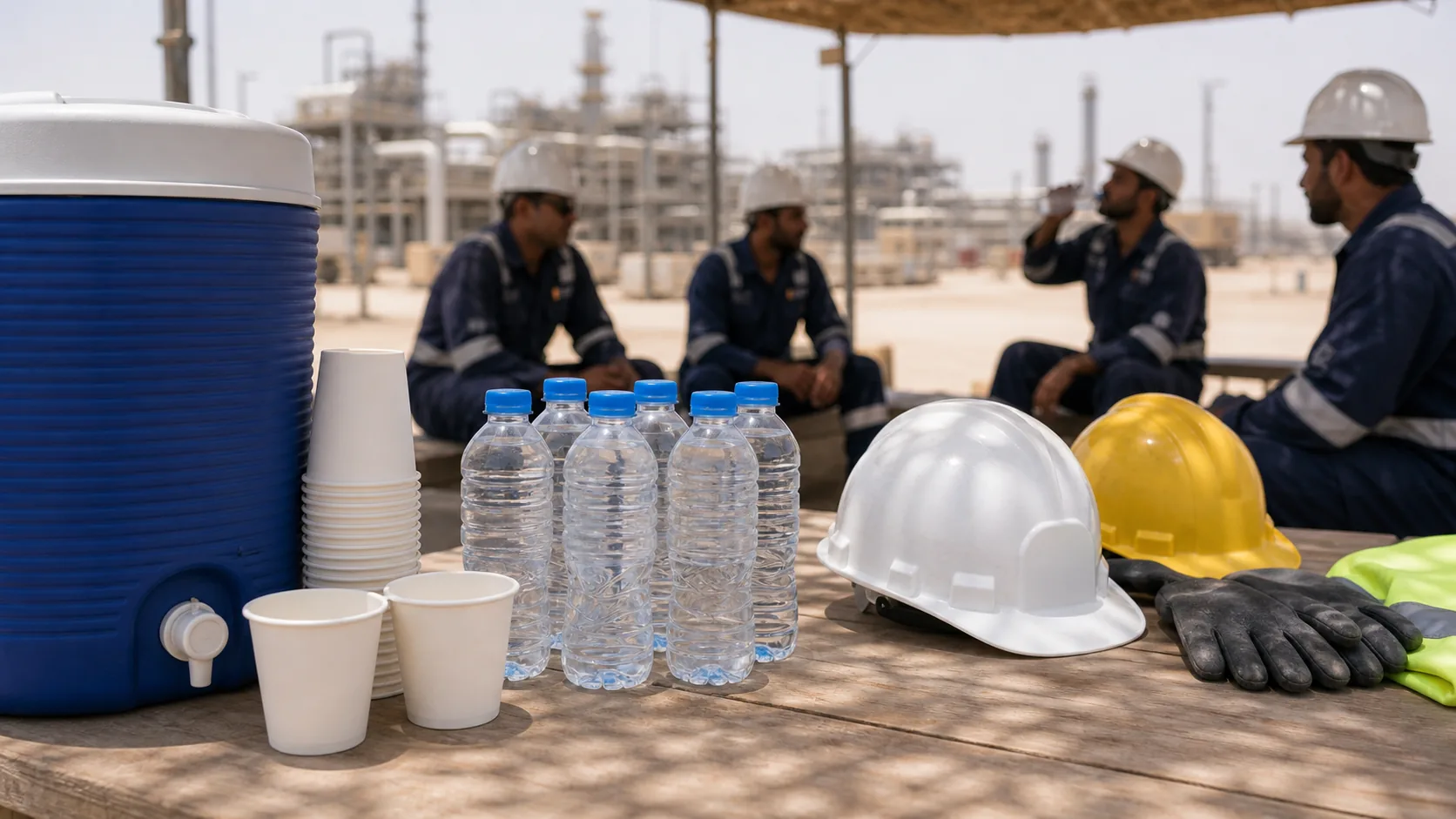
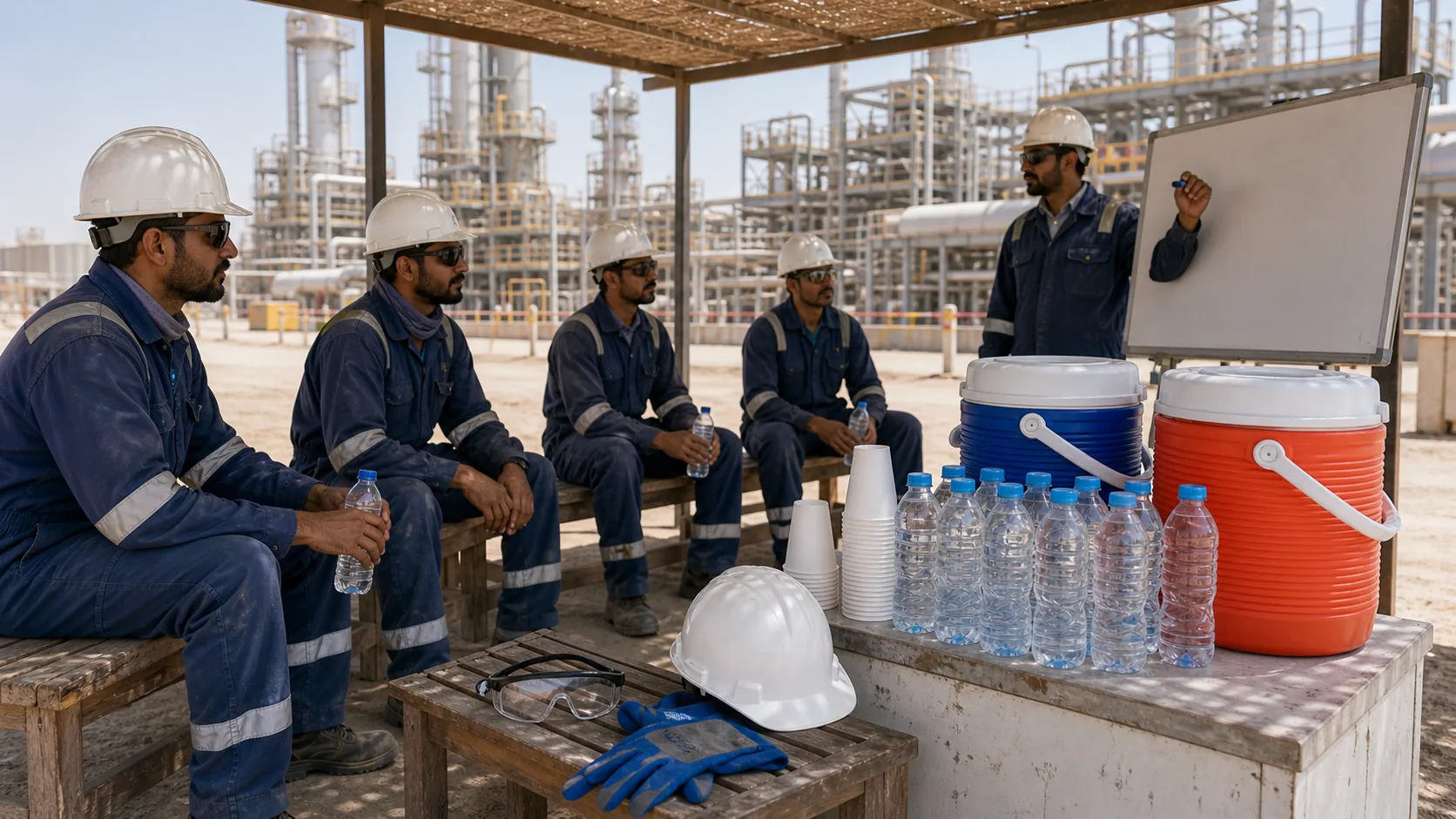
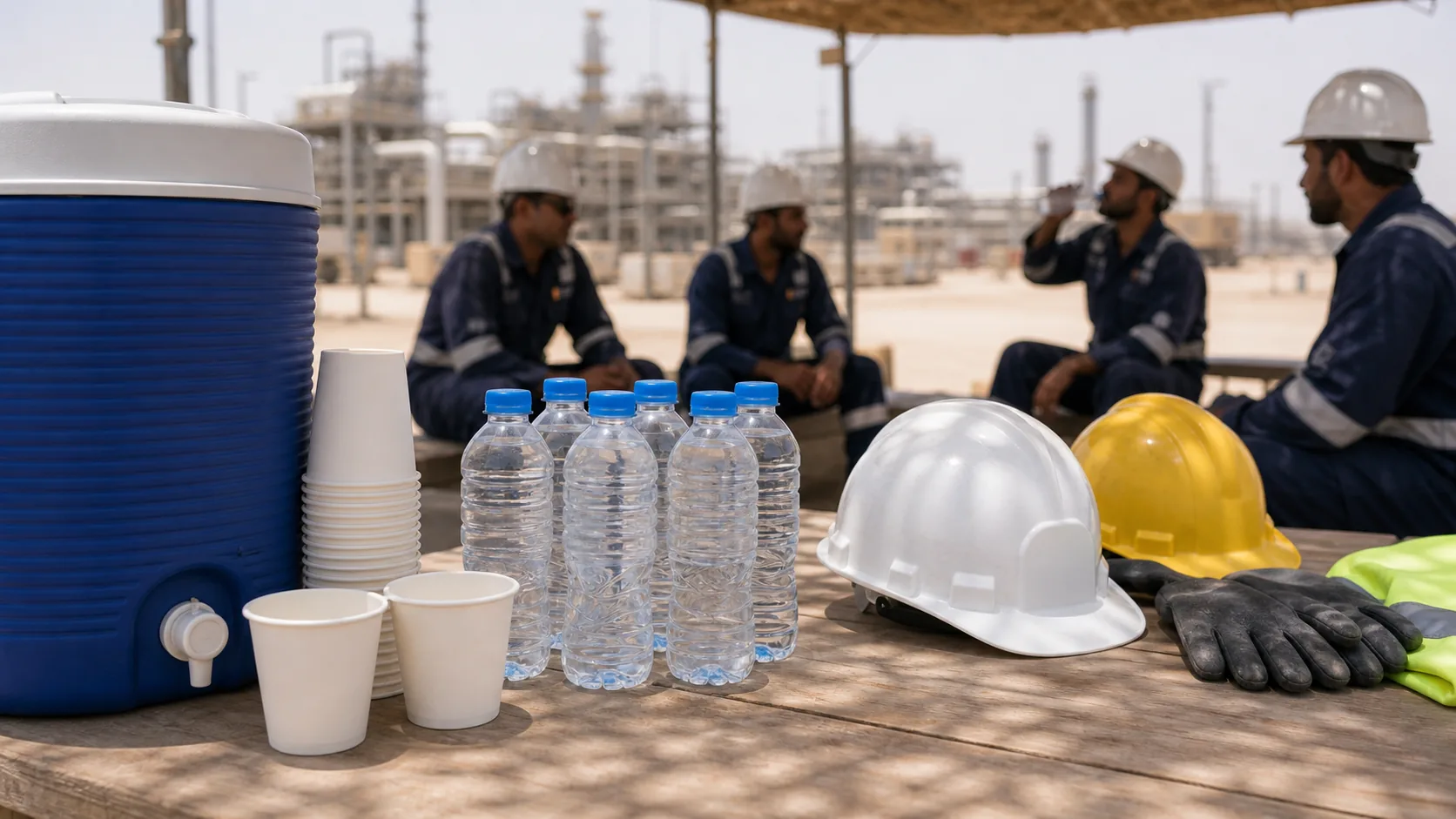
Managing the safety of a diverse workforce in the energy sector requires a rigorous approach to environmental risks, particularly the oil gas heat stress GCC workers face during the long summer months. HSE managers across the region must implement authoritative hydration protocols that move beyond simple water provision to address the rapid electrolyte depletion inherent in heavy industrial labor. In an industry where safety is the highest operational priority, ensuring that field personnel have the physiological resilience to withstand extreme thermal loads is essential for maintaining both human welfare and site productivity.
Environmental Complexity and the Oil Gas Heat Stress GCC Workers Experience
The heat profile of the Gulf oil and gas sector is uniquely demanding, with conditions varying significantly between operational zones. In onshore desert fields across Saudi Arabia, Kuwait, and the UAE, ambient temperatures regularly approach 50°C, creating a high-dry-heat environment that causes rapid fluid loss through perspiration. Conversely, offshore platforms in the Arabian Gulf contend with extreme humidity, which creates dangerously high wet-bulb temperatures. In these settings, the body’s ability to cool itself via evaporation is severely compromised even at lower absolute temperatures. Furthermore, gas processing and refinery environments introduce combined ambient and process heat from active machinery and steam lines. Each of these settings creates a different but equally serious dehydration profile, making a standardized electrolyte replacement strategy a critical safety requirement.
Solving the Logistics Challenge in Remote and Offshore Operations
One of the primary hurdles in managing oil gas heat stress GCC workers encounter is the logistical difficulty of providing hydration in remote locations. Unlike centralized construction sites, fixed welfare stations are often impractical for mobile field crews or workers on vast pipeline networks. To address this, personal Hydralyte sachets have become the industry standard for remote operations. These individually sealed units allow workers to carry medical-grade hydration in their FR coverall pockets, ensuring they are not dependent on proximity to a central facility. Additionally, the shelf-stable two-year format is designed to tolerate the harsh storage conditions found in remote GCC supply depots, ensuring product integrity remains high even in non-climate-controlled environments.
Contractor Management and Operator HSE Compliance
Rigorous contractor management systems in the region now mandate documented evidence of heat stress prevention. Major operators including ARAMCO in Saudi Arabia, ADNOC in Abu Dhabi, Qatar Energy, and PDO in Oman typically require contractors to include specific electrolyte provision plans within their HSE submissions. Utilizing Hydralyte supports these requirements by providing authoritative documentation, including ingredient certifications and batch traceability. This level of compliance ensures that contractor HSE plans satisfy the high safety benchmarks set by major regional operators.
Permit-to-Work Integration and Site Safety Protocols
Forward-thinking HSE managers are increasingly integrating electrolyte issuance into the permit-to-work (PTW) process. Some GCC operators now require physical evidence of pre-work heat stress provisions, such as the issuance of Hydralyte stick packs, before high-risk tasks can commence in extreme heat. The labeled values on each stick pack simplify this documentation process for welfare officers. While 800g pouches are ideal for permanent onshore facility welfare stations, the stick pack and sachet formats provide the portability required for specific PTW-controlled tasks. To learn more about implementing an authoritative hydration program for your site, visit our specialists at contact our team.
Frequently Asked Questions
What makes GCC oil field heat stress different from construction site heat stress?
Oil field workers often operate in even more remote and extreme environments than construction sites, with limited access to central welfare infrastructure. Remote desert field temperatures regularly exceed 50°C in Kuwait and Saudi Arabia. The combined physical and psychological demands of field operations, FR PPE requirements, and extreme ambient temperatures create acute dehydration risk that is among the most severe in any GCC industry.
How should oil and gas companies distribute electrolytes to remote field workers?
Personal sealed sachet or stick pack issue at the start of each field day is the standard model. Workers carry their daily supply in their FR coverall pockets and consume at scheduled intervals regardless of their distance from any central facility. The 2-year sealed shelf life makes pre-season bulk issue to remote camps practical.
Do major GCC oil operators require specific electrolyte documentation from contractors?
Yes. ADNOC, Qatar Energy, PDO, and most ARAMCO contractors require HSE management plans that include documented safety-critical supply provisions. Hydralyte provides ingredient certifications, batch traceability, and product specification sheets compatible with major operator contractor HSE plan requirements.
PPE and Dehydration: The Compounding Effect in Oil & Gas
Oil and gas workers face a unique hydration challenge: the mandatory PPE that protects them from chemical and fire hazards simultaneously traps body heat. Fire-resistant coveralls, hard hats, safety goggles, and steel-toe boots create a microclimate that can elevate core body temperature by 2–3°C above ambient conditions.
This means that even when ambient temperatures are 38°C, workers inside full PPE may be experiencing effective temperatures of 40–41°C. Sweat rates under these conditions can reach 1.5–2 litres per hour, rapidly depleting not just water but critical electrolytes including potassium, sodium, chloride, and calcium.
Hydralyte's potassium-rich isotonic formula is specifically advantageous in these conditions. Unlike high-sodium reactive formulas, Hydralyte replaces all four key electrolytes in ratios appropriate for daily consumption throughout long shift rotations — typically 12-hour shifts on a 2-weeks-on, 2-weeks-off rotation in GCC oil fields.
Emergency Hydration Protocols for Rig Operations
Every rig and pipeline operation should have a heat stress emergency response protocol that includes electrolyte provision as a first-line intervention. When a worker shows signs of heat exhaustion — confusion, heavy sweating, rapid pulse — providing Hydralyte alongside cooling measures can prevent escalation to heat stroke.
Keep emergency hydration kits at every muster station containing Hydralyte sachets, cooled water, and a mixing vessel. Train all safety officers in the signs of electrolyte depletion versus simple overheating — the treatment protocols differ significantly.
🏗 Protecting Outdoor Workers? Hydralyte supplies bulk electrolyte programs for construction, oil & gas, logistics, and manufacturing companies across the GCC — with full MoHRE compliance documentation. See Industry Hydration Programs →
🛒 Ready to try Hydralyte? Available in three refreshing flavours across multiple pack sizes — from individual sachets to 800g bulk pouches. Shop Hydralyte Online → or request a corporate quote.