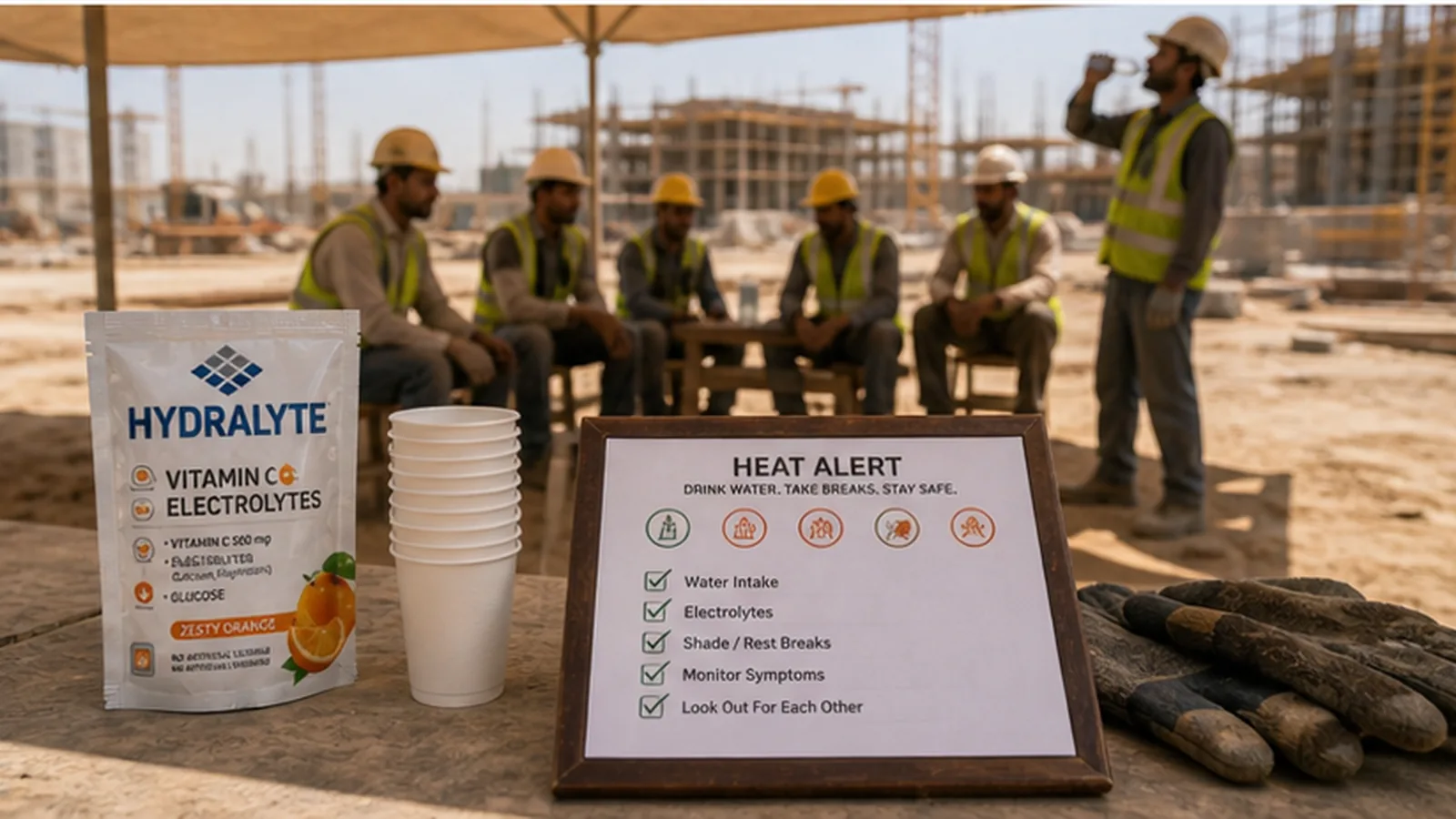
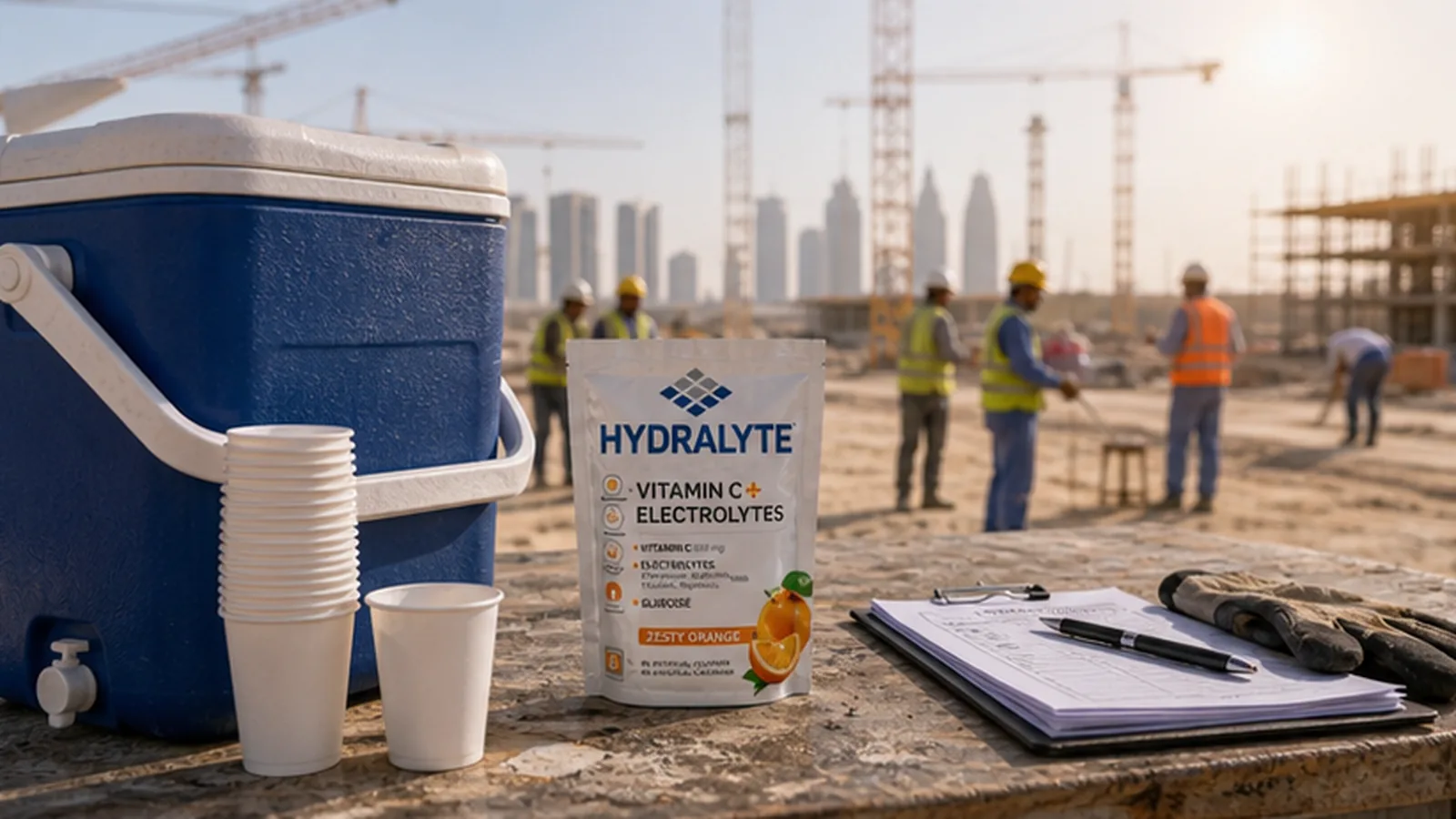
June and July in UAE — The Peak Heat Stress Months Explained
For HSE managers operating in the UAE, the summer months present a logistical and physiological challenge that requires more than just water provision. While mandatory mid-day breaks are a vital regulatory component, the selection of Personal Protective Equipment (PPE) remains a significantly underutilized control measure in many heat stress prevention programs. Selecting the right heat stress PPE for the UAE summer is essential for maintaining workforce productivity and safety, as improper equipment can inadvertently accelerate dehydration and heat exhaustion by trapping thermal energy against the body.
The Physiological Impact of PPE on Heat Burden
PPE is designed to protect workers from physical hazards, but it inherently creates a barrier to the body’s primary cooling mechanism: sweat evaporation. The heat burden of standard gear includes:
- A 2-5°C increase in the body’s perceived temperature from even lightweight PPE
- A reduced ability to dissipate heat for workers using hard hats, safety glasses, reflective vests, and gloves
- Heavier thermal loads in specialized sectors like oil and gas due to Flame Resistant (FR) coveralls
- A reduction in available skin surface area for cooling
This increased heat stress PPE burden during the UAE summer necessitates a more aggressive approach to electrolyte replacement to ensure metabolic heat does not reach critical levels.
PPE Selection Strategies to Reduce Heat Load
Strategic PPE procurement can measurably lower the internal temperature of outdoor workers. Key selection criteria include:
- Reflective white or silver hard hats: These reduce solar heat absorption by up to 20% compared to dark alternatives
- Mesh-backed high-visibility vests: These replace solid fabrics to allow for critical airflow
- Moisture-wicking base layers: These facilitate faster evaporative cooling by moving moisture away from the skin
Every degree of temperature reduction achieved through better heat stress PPE choices directly lowers an individual’s dehydration rate, making the overall safety program more resilient.
Compensating for Unavoidable PPE Thermal Burdens
In many industrial environments, high-burden PPE is mandatory and cannot be substituted. To manage the spike in sweat rates for workers in FR coveralls or heavy-duty chemical suits, HSE officers must adjust hydration protocols:
- Standard Construction Attire: Administer electrolyte provision every 45-60 minutes
- FR Gear and Specialized Suits: Administer Hydralyte every 30-40 minutes
- Portable Solutions: Utilize Hydralyte stick packs and sachets so workers can carry rapid rehydration tools in their PPE vest pockets
This targeted increase in frequency compensates for the additional thermal load and keeps the workforce stabilized during peak heat hours.
To learn more about optimizing your site's hydration and PPE protocols, contact our team.
🏗 Protecting Outdoor Workers? Hydralyte supplies bulk electrolyte programs for construction, oil & gas, logistics, and manufacturing companies across the GCC — with full MoHRE compliance documentation. See Industry Hydration Programs →
Recognising the Stages of Heat-Related Illness
Heat-related illness progresses through distinct stages, each requiring escalating intervention. Understanding these stages enables supervisors to intervene early — before a heat stress incident becomes a medical emergency.
- Stage 1 — Heat Cramps: Muscle spasms in legs, arms, or abdomen. Caused by electrolyte depletion. Intervention: Rest in shade, provide Hydralyte, stretch affected muscles.
- Stage 2 — Heat Exhaustion: Heavy sweating, weakness, cold/clammy skin, nausea, dizziness. Core temperature below 40°C. Intervention: Remove from heat immediately, cool actively, provide Hydralyte, monitor for 30 minutes.
- Stage 3 — Heat Stroke: Hot/dry skin, confusion, loss of consciousness, core temperature above 40°C. Medical emergency. Intervention: Call emergency services immediately, cool aggressively, do NOT give fluids if unconscious.
The critical window between heat exhaustion and heat stroke can be as short as 15–30 minutes. Proactive electrolyte hydration with Hydralyte throughout the workday prevents workers from ever reaching Stage 1.
Building a Site-Level Heat Stress Response Plan
Every outdoor work site in the UAE should have a documented heat stress response plan that includes: designated cool-down zones within 50m of work areas, trained first aiders on every shift, emergency cooling equipment (ice packs, misting fans), and pre-positioned Hydralyte electrolyte stocks at every welfare station and first aid point.
Train all workers — not just supervisors — to recognise heat stress symptoms in colleagues. Buddy-system monitoring is one of the most effective early warning mechanisms, especially during peak heat hours. Ensure your plan includes MoHRE compliance documentation requirements.
Frequently Asked Questions
Q: Does PPE color affect heat stress risk for UAE outdoor workers?
A: Yes, significantly. Dark-colored hard hats and clothing absorb solar radiation and re-emit it as heat. Reflective white or silver hard hats can reduce the head's solar heat gain by 15-20%. For workers spending 8-10 hours in direct sunlight, this reduction meaningfully lowers the overall risk.
Q: Should FR coverall workers in the UAE oil and gas sector receive more frequent electrolyte provision?
A: Yes. FR coveralls significantly reduce the skin surface available for cooling and add thermal insulation. These workers should receive Hydralyte every 30-40 minutes—approximately 20-30% more frequently than workers in lighter PPE—to compensate for the elevated heat burden.
Q: Can increased Hydralyte provision compensate for PPE heat burden?
A: Increasing provision frequency partially compensates for the additional dehydration rate caused by PPE. For unavoidable high-burden PPE situations, increase provision frequency to every 30 minutes and ensure rest breaks include shade and PPE removal where safe.
🛒 Ready to try Hydralyte? Available in three refreshing flavours across multiple pack sizes — from individual sachets to 800g bulk pouches. Shop Hydralyte Online → or request a corporate quote.