The Science of Vitamin C <a href="/tools/heat-stress-assessment">heat stress</a> recovery workers for Industrial Safety
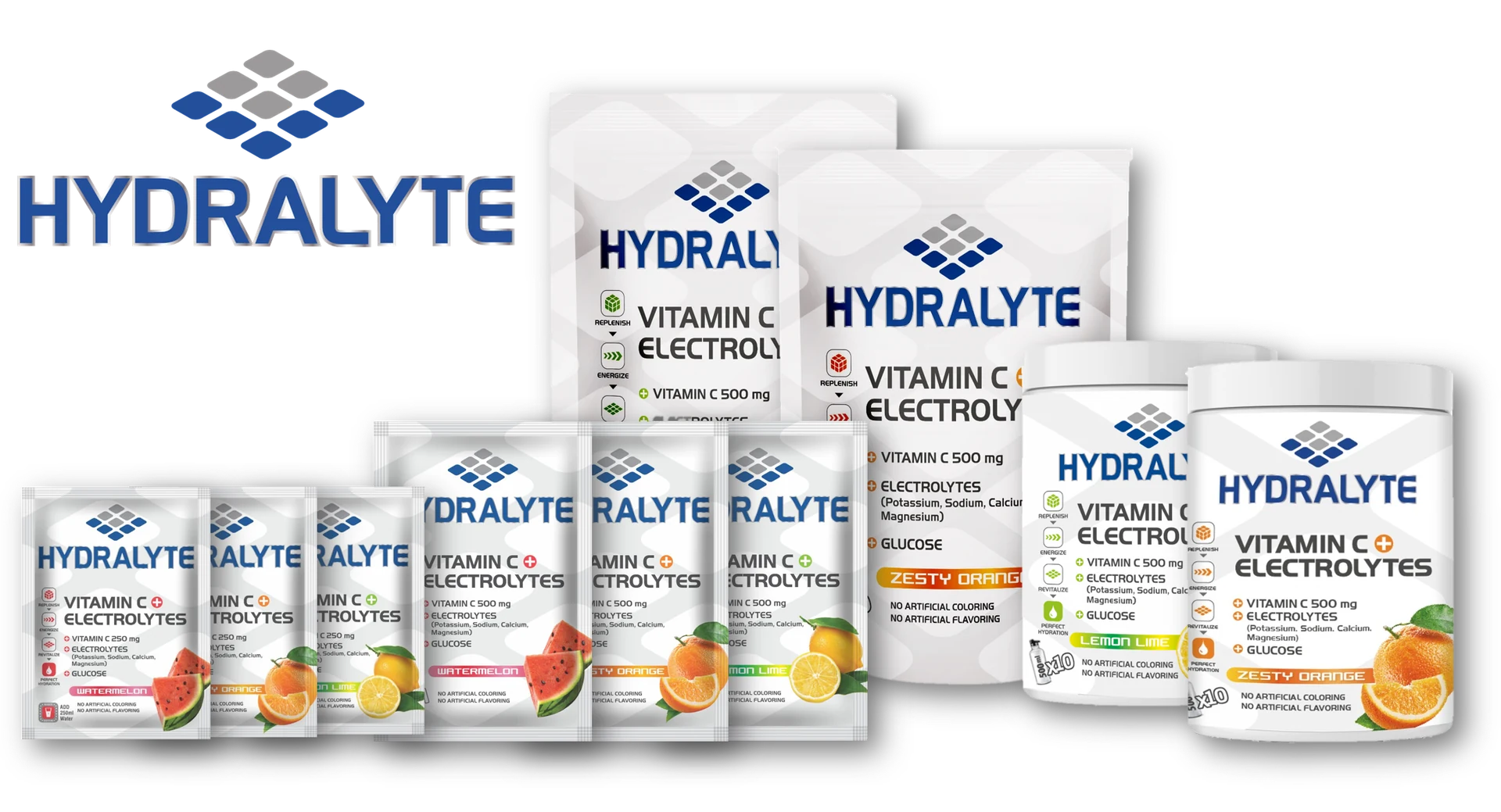
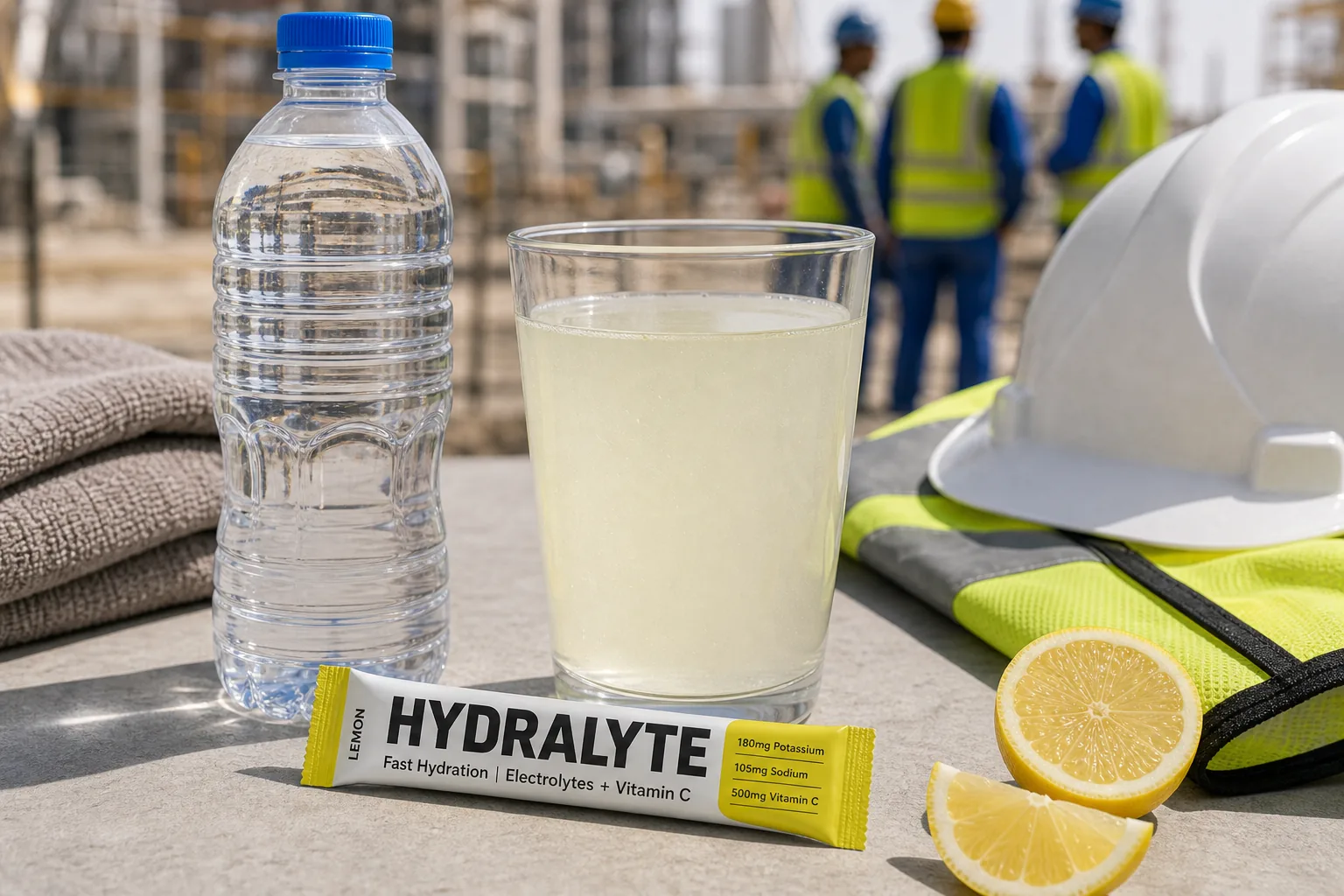
Integrating a high-potency antioxidant strategy into your occupational health program is essential for optimizing Vitamin C heat stress recovery workers across the UAE industrial landscape. In a region where summer ambient temperatures frequently exceed 45°C, the physiological burden on the outdoor workforce extends beyond simple fluid loss. Research indicates that heat-induced physiological strain combined with extreme physical exertion requires more than just water and basic salts; it necessitates a targeted nutritional approach to manage oxidative damage and systemic recovery. By utilizing high-quality oral rehydration solutions that incorporate 500mg of Vitamin C, such as Hydralyte stick packs and sachets, HSE managers can provide the scientific support needed to maintain workforce resilience and operational efficiency during the peak summer months.
Oxidative Stress Management and Vitamin C heat stress recovery workers
Sustained heat exposure during UAE summer operations triggers a significant increase in the production of reactive oxygen species, commonly known as free radicals. As the human body works to regulate internal temperature under high thermal loads, metabolic processes intensify, leading to an imbalance between free radical production and the body's natural antioxidant defenses. This state of oxidative stress can lead to cellular damage and prolonged fatigue if not addressed. Vitamin C serves as a powerful antioxidant that neutralizes these free radicals, effectively protecting cellular health and facilitating more efficient recovery. For outdoor workers in the Gulf, this burden is compounded by the UAE’s extreme UV index, which regularly reaches levels of 10 or 11. This intense solar radiation adds a secondary layer of oxidative stress, making the inclusion of 500mg of ascorbic acid in products like the Hydralyte 800g pouch a critical component of a modern heat stress prevention program.
Immune Function Support Under Intense Physical Strain
Heavy physical labor performed in extreme heat is known to cause a temporary suppression of the immune system, a physiological phenomenon often referred to as post-exercise immunosuppression. During this recovery window, workers may experience increased susceptibility to common respiratory illnesses, which can spread quickly within shared worker accommodations. Vitamin C provides essential nutritional support for the immune system during this period of vulnerability. By maintaining optimal Vitamin C levels through regular consumption of Hydralyte sachets during the shift, employers help support the natural defenses of their workforce. This proactive nutritional intervention is a key strategy for reducing seasonal sick leave and ensuring that the labor force remains healthy and capable of meeting project deadlines in demanding environments.
Collational Synthesis and Muscle Recovery for the UAE Workforce
The role of Vitamin C in collagen synthesis is vital for workers engaged in heavy manual labor, as collagen is a primary structural protein in joints, tendons, and muscle tissue. Consistent intake of Vitamin C supports the body’s natural repair mechanisms, aiding in the maintenance of musculoskeletal health under the strain of industrial work. Furthermore, Vitamin C enhances the absorption of dietary iron, which is particularly beneficial for workers who may have dietary limitations or specific nutritional requirements. Utilizing a professional-grade rehydration solution throughout the day ensures that these nutritional co-factors are consistently available to support long-term physical durability.
Optimizing Nutritional Coverage with the 500mg Hydralyte Dose
The decision to include 500mg of Vitamin C per serving in Hydralyte stick packs and sachets is based on providing meaningful antioxidant coverage for individuals under high physical stress. While standard dietary recommendations are designed for the average adult, the unique requirements of the industrial worker in the GCC necessitate a higher concentration of water-soluble vitamins. Since ascorbic acid has high bioavailability and is the form of Vitamin C recognized in global health literature, it provides an effective and safe method for nutritional supplementation. When consumed across multiple daily servings, this level of support remains within safely tolerated ranges while providing the robust protection needed for high-exposure roles.
To secure a reliable supply of high-performance rehydration solutions for your workforce and to receive detailed wholesale pricing, please contact the Hydralyte B2B team at contact our team.
Frequently Asked Questions
Does heat stress increase the body's need for Vitamin C?
Yes. Sustained heat exposure increases free radical production as the body's metabolic processes intensify during temperature regulation. Vitamin C as an antioxidant neutralizes these free radicals. The combination of UV exposure (extreme UV index 10–11 in UAE summer) and physical heat stress means outdoor workers face a significantly higher oxidative stress load than average adults.
How does Vitamin C help with worker immunity during UAE summer?
Heavy physical labor in extreme heat temporarily suppresses the immune response — a phenomenon known as post-exercise immunosuppression. During this recovery window, workers in shared accommodation are more susceptible to circulating respiratory illness. Vitamin C supports the immune system during this recovery period, helping reduce sick day incidence in the summer workforce.
Is 500mg of Vitamin C per Hydralyte serving safe to consume multiple times per day?
Yes. 500mg of ascorbic acid (the form used in Hydralyte) per serving is within the safely tolerated range for repeated daily consumption. Workers consuming 3–4 Hydralyte servings per day receive 1,500–2,000mg of Vitamin C daily, consistent with the upper intake levels considered safe and appropriate for individuals under sustained physical stress.
🛒 Ready to try Hydralyte? Available in three refreshing flavours across multiple pack sizes — from individual sachets to 800g bulk pouches. Shop Hydralyte Online → or request a corporate quote.
Recognising the Stages of Heat-Related Illness
Heat-related illness progresses through distinct stages, each requiring escalating intervention. Understanding these stages enables supervisors to intervene early — before a heat stress incident becomes a medical emergency.
- Stage 1 — Heat Cramps: Muscle spasms in legs, arms, or abdomen. Caused by electrolyte depletion. Intervention: Rest in shade, provide Hydralyte, stretch affected muscles.
- Stage 2 — Heat Exhaustion: Heavy sweating, weakness, cold/clammy skin, nausea, dizziness. Core temperature below 40°C. Intervention: Remove from heat immediately, cool actively, provide Hydralyte, monitor for 30 minutes.
- Stage 3 — Heat Stroke: Hot/dry skin, confusion, loss of consciousness, core temperature above 40°C. Medical emergency. Intervention: Call emergency services immediately, cool aggressively, do NOT give fluids if unconscious.
The critical window between heat exhaustion and heat stroke can be as short as 15–30 minutes. Proactive electrolyte hydration with Hydralyte throughout the workday prevents workers from ever reaching Stage 1.
Building a Site-Level Heat Stress Response Plan
Every outdoor work site in the UAE should have a documented heat stress response plan that includes: designated cool-down zones within 50m of work areas, trained first aiders on every shift, emergency cooling equipment (ice packs, misting fans), and pre-positioned Hydralyte electrolyte stocks at every welfare station and first aid point.
Train all workers — not just supervisors — to recognise heat stress symptoms in colleagues. Buddy-system monitoring is one of the most effective early warning mechanisms, especially during peak heat hours. Ensure your plan includes MoHRE compliance documentation requirements.