Optimizing Health with Electrolyte Drinks During Ramadan Workers UAE Guide
Maintaining safety and productivity during the holy month requires a strategic approach to hydration. For those laboring in the heat, using electrolyte drinks during Ramadan workers UAE protocol is a critical component of <a href="/tools/heat-stress-assessment">heat stress</a> management. Because fasting hours prohibit any intake of food or water, the body must rely entirely on the reserves built during non-fasting hours. Electrolytes are essential for retaining that water and ensuring vital organs and muscles function correctly under physical strain. Without these essential salts, the body cannot effectively hold onto the fluid consumed, leading to rapid fatigue and increased risk of heat-related illness.
The Two Critical Windows for Electrolyte Drinks During Ramadan Workers UAE Use
There are only two opportunities to hydrate during Ramadan: suhoor and iftar. For outdoor workers, these windows are not just about tradition but are vital safety checkpoints. Suhoor serves as the preparation phase, where the goal is to maximize fluid retention before the sun rises. Iftar represents the recovery phase, where the focus shifts to rapidly replacing the massive fluid and salt deficits accumulated during a long shift in the UAE sun. Utilizing Hydralyte stick packs or sachets during these specific times ensures that the water consumed is actually absorbed into the bloodstream rather than simply passed through the system. This biological efficiency is what allows a worker to maintain physical stamina throughout the fasting day.
Step-by-Step Suhoor Protocol for Maximum Daytime Retention
To prepare for a day of outdoor labor, workers should begin their suhoor by mixing one Hydralyte sachet or stick pack with 200ml of fresh water. This should be consumed alongside a balanced meal featuring slow-digesting carbohydrates like oats or whole grains which help sustain energy levels. It is important to avoid caffeine, such as coffee or strong tea, during suhoor because caffeine acts as a diuretic, causing the body to lose fluid faster through urination. By choosing an electrolyte-rich start, workers ensure their cells are fully saturated and better equipped to handle the upcoming heat. Remember that once the morning prayer begins, no further electrolyte drinks during Ramadan workers UAE can be consumed until sunset.
Step-by-Step Iftar Protocol for Rapid Rehydration and Recovery
The moment the fast is broken at sunset is the most important time for recovery. Workers should prioritize drinking a serving of Hydralyte immediately, even before eating a full meal. This allows the sodium-glucose cotransport mechanism to pull water and electrolytes into the cells rapidly when the stomach is relatively empty. After this initial serving, workers should continue to sip water steadily throughout the evening. It is vital to avoid drinking large volumes of plain water too quickly, as this can dilute the remaining sodium in the blood and lead to further imbalances. Using a second stick pack later in the evening can help stabilize these levels before sleep.
What to Avoid to Maintain Proper Hydration Balance
To stay safe, workers must be mindful of what they avoid just as much as what they consume. Beyond avoiding caffeine at suhoor, it is critical to stay away from high-sugar commercial energy or sodas during iftar. While these drinks may provide a temporary energy boost, their high sugar content can actually hinder the hydration process and lead to energy crashes. Furthermore, relying solely on plain water is often insufficient for those losing high volumes of sweat; without the minerals found in Hydralyte, the body cannot achieve the deep hydration required for heavy labor. Always ensure that electrolyte intake is prioritized over sugary alternatives to keep the body resilient. For more information on securing supplies for your site, visit our team at contact our team.
Frequently Asked Questions
Can workers consume Hydralyte during Ramadan fasting hours?
No. During fasting hours between Fajr and Maghrib, Muslim workers do not consume any food or drink including electrolyte drinks. Hydralyte should only be consumed at suhoor (before dawn) and at iftar (sunset) during Ramadan.
How many Hydralyte servings should a fasting outdoor worker consume daily during Ramadan?
Minimum two servings per day: one at suhoor and one immediately at iftar. Workers in high-intensity outdoor roles in summer heat should target three servings — suhoor, iftar, and a second serving 90 minutes after iftar.
What drinks should fasting workers avoid at suhoor and iftar?
At suhoor avoid caffeine (diuretic effect worsens fasting dehydration) and salty foods. At iftar avoid high-sugar commercial drinks (poor electrolyte replacement) and rapid large volumes of plain water without electrolytes (dilutes remaining blood sodium).
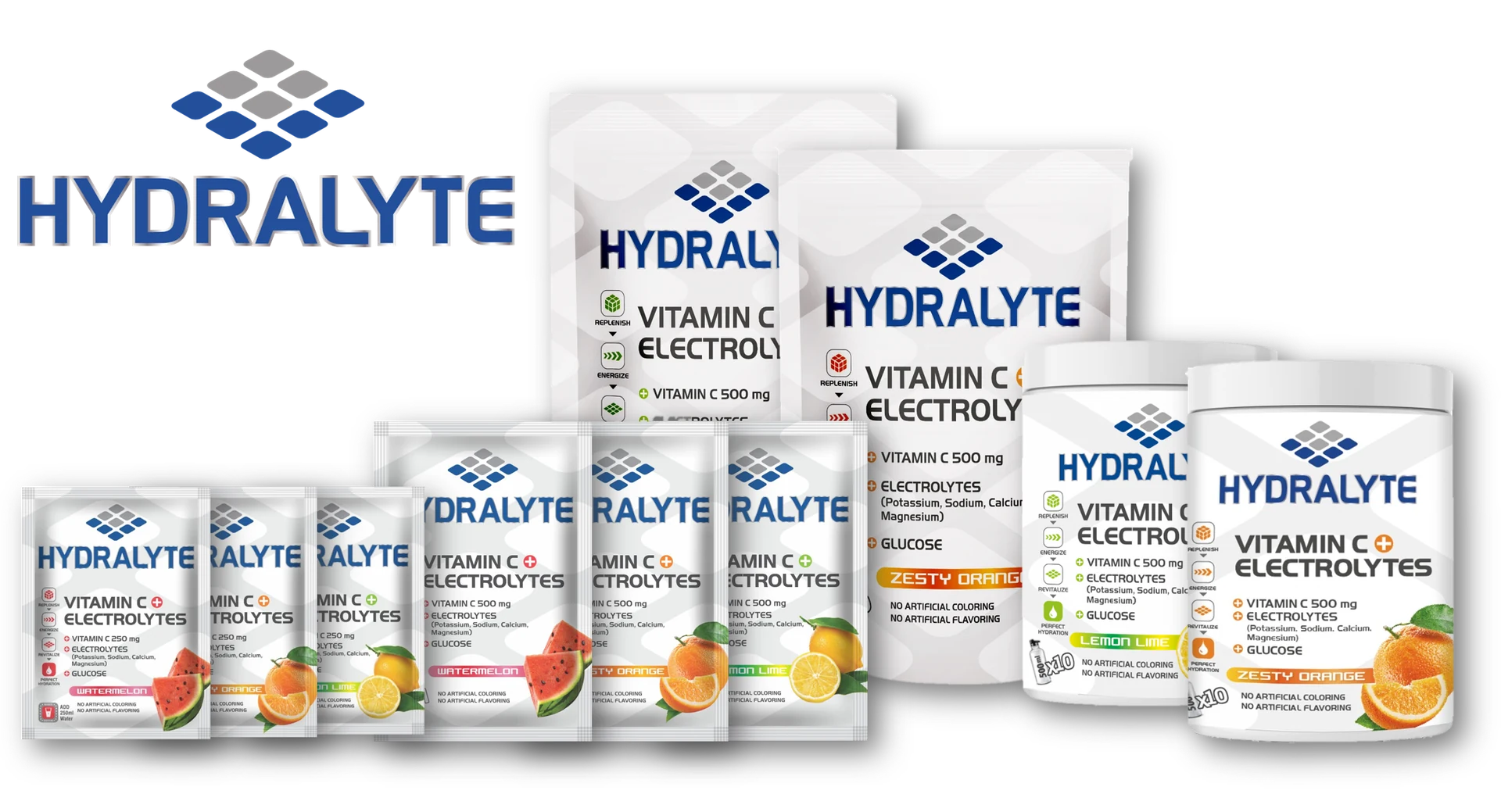
🛒 Ready to try Hydralyte? Available in three refreshing flavours across multiple pack sizes — from individual sachets to 800g bulk pouches. Shop Hydralyte Online → or request a corporate quote.
Understanding Fasting-Related Dehydration in UAE Summers
When Ramadan falls during the UAE summer months, outdoor workers face a compounded challenge: they cannot consume any liquids during daylight hours while still being exposed to extreme heat. This creates a dehydration deficit that accumulates daily and cannot be fully recovered during the shorter nighttime eating window.
Research indicates that fasting workers in GCC heat can experience fluid deficits of 3–5% of body weight by the end of a working day — well beyond the 1–2% threshold at which cognitive impairment begins. This makes pre-dawn hydration (Suhoor) and post-sunset recovery (Iftar) absolutely critical.
Hydralyte's potassium-rich isotonic formula is particularly valuable during Ramadan because it supports rapid and complete electrolyte replacement in a limited consumption window. Unlike high-sugar sports drinks that cause blood sugar spikes and subsequent crashes, Hydralyte provides sustained hydration support with low sugar.
Employer Obligations During Ramadan in the UAE
UAE labour law does not exempt employers from heat safety obligations during Ramadan. Employers must still provide shaded rest areas, approved rehydration materials, and adjusted work schedules. The MoHRE midday work ban (12:30–3:00 PM, June 15–September 15) applies regardless of Ramadan timing.
Practical steps include: offering Hydralyte sachets at Suhoor for pre-loading, providing Hydralyte at Iftar break stations for rapid recovery, and ensuring non-fasting workers still have access to electrolytes throughout the day. Document all Ramadan-specific hydration provisions as part of your MoHRE compliance records.