Managing Employer Ramadan Hydration Obligations UAE for Workforce Safety and Compliance
As the holy month begins, HR directors and HSE managers must navigate a complex intersection of religious observance and occupational health. Ensuring employer Ramadan hydration obligations UAE are met is not only a matter of operational efficiency but a critical legal requirement under the Ministry of Human Resources and Emiratisation guidelines. During this period, the physiological risks of <a href="/tools/heat-stress-assessment">heat stress</a> are compounded by fasting, making a structured approach to electrolyte management essential for maintaining site safety and legal standing.
MOHRE Guidance on Heat Stress and Fasting Workers
The UAE Ministry of Human Resources and Emiratisation maintains a clear stance regarding worker protection during the summer months and the holy month of Ramadan. Legal heat stress obligations do not create exceptions or waivers for fasting personnel. The duty of care to prevent heat exhaustion and heatstroke applies universally, regardless of a worker's religious practice. Employers must recognize that the physical toll of outdoor labor in high temperatures is significantly intensified when fluid intake is restricted to non-daylight hours. Therefore, the administrative and practical frameworks designed to mitigate heat risk must remain fully operational and adapt to the specific needs of a fasting workforce to ensure total compliance with federal labor laws.
Specific Provisions for Suhoor and Iftar Recovery
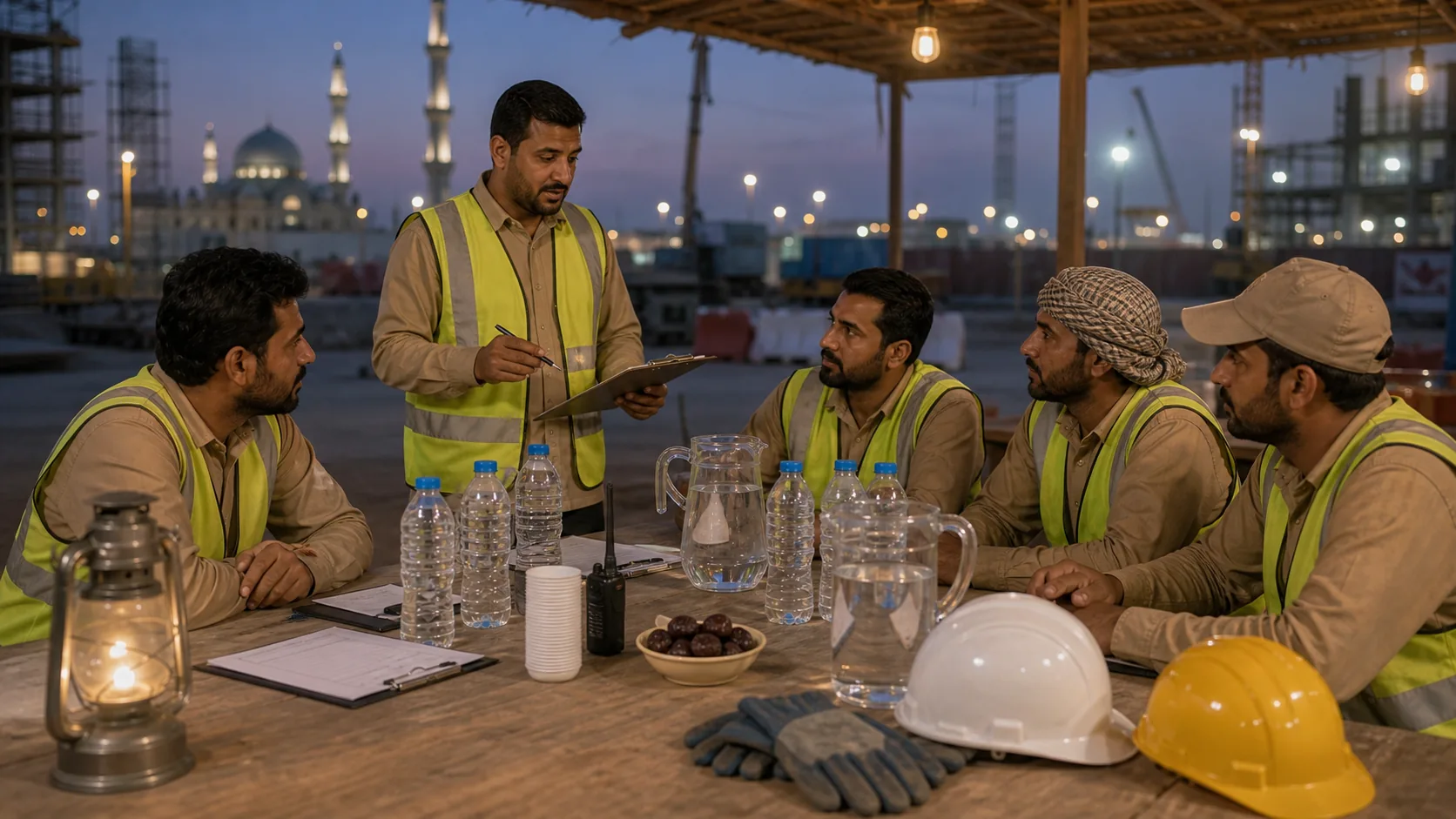
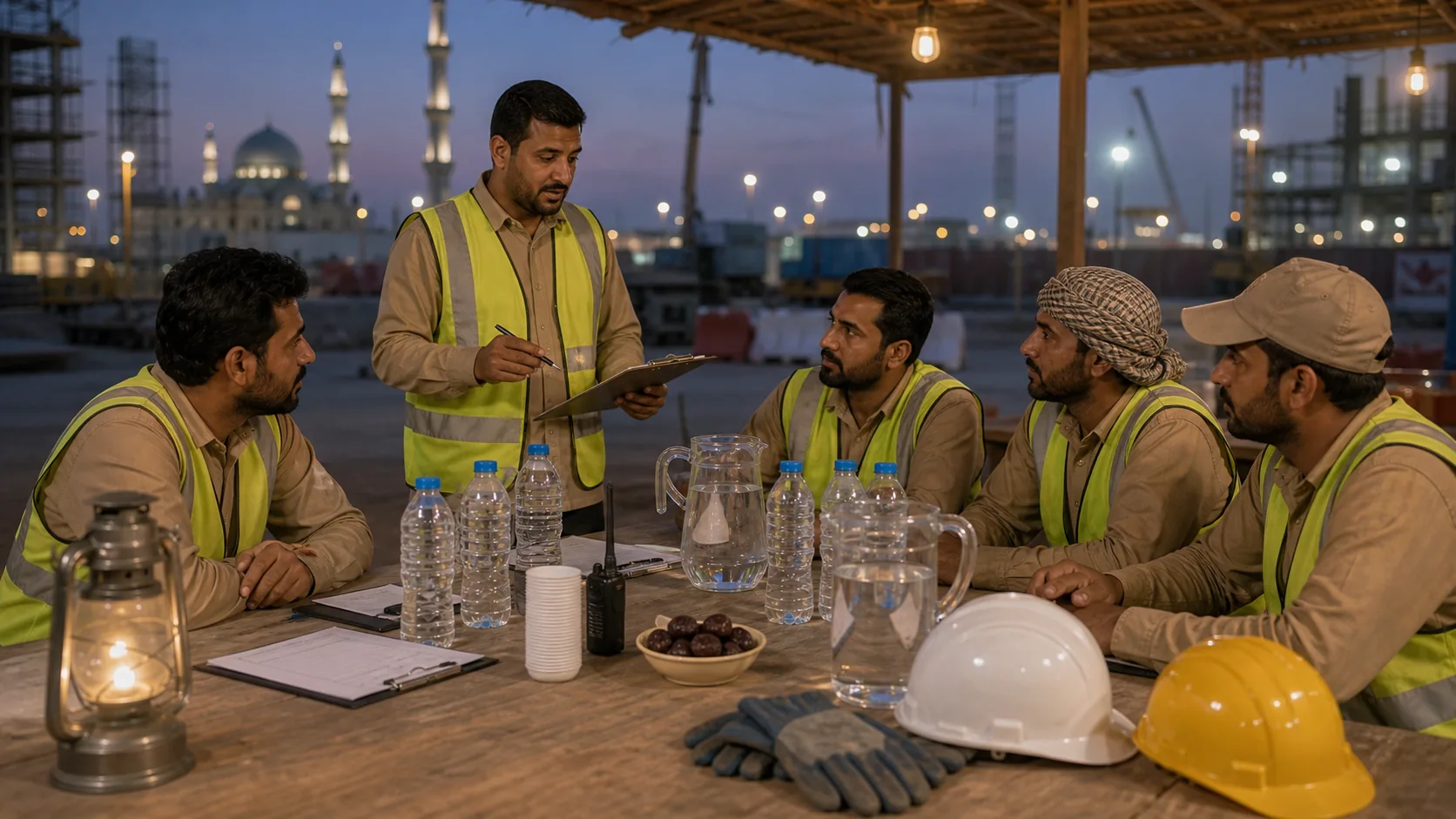
To fulfill employer Ramadan hydration obligations UAE effectively, hydration strategies must shift to the permissible windows of consumption. Facilitating pre-dawn suhoor hydration is the first line of defense. By providing workers with access to the Hydralyte full range, including stick packs and sachets, employers ensure that personnel can pre-load electrolytes and Vitamin C to maintain fluid retention throughout the fasting day. Equally critical is the iftar recovery window. Providing 800g bulk pouch solutions at designated iftar stations allows for rapid rehydration once the fast is broken. These provisions must be supported by continued access to shade and increased supervisor monitoring during daylight hours to identify early signs of fatigue or dehydration before they escalate into medical emergencies.
The Cultural and Ethical Dimensions of UAE Worker Welfare
The UAE legal framework is deeply rooted in the nation's Islamic identity, reflecting a profound commitment to both worker safety and religious freedom. Fulfilling employer hydration duties is an expression of respect for the religious observance of the workforce. By proactively facilitating electrolyte provision during suhoor and iftar, employers honor the cultural significance of Ramadan while maintaining an uncompromised standard of care. This approach fosters a supportive work environment where religious tradition and safety protocols exist in harmony, ensuring that the health of the individual is protected without impeding their spiritual obligations.
Documentation and Records for Ramadan Compliance
Maintaining a robust compliance file is essential for demonstrating that employer Ramadan hydration obligations UAE have been satisfied during labor inspections. HSE managers should keep detailed records of all hydration interventions specific to the month. This includes documentation of suhoor provision methods, distribution logs for electrolyte stick packs, and iftar welfare station inventory records. Furthermore, records should reflect that all site supervisors have received a dedicated Ramadan heat safety briefing. These documents serve as vital evidence of a proactive safety culture and ensure the organization is prepared for any regulatory audit or heat illness investigation during the summer season.
For expert guidance on implementing a compliant Ramadan hydration program or to secure a consistent supply of professional-grade electrolytes for your site, contact our team at contact our team.
Frequently Asked Questions
Is a UAE employer legally required to facilitate suhoor electrolyte provision for fasting workers?
MOHRE does not mandate suhoor provision by name, but the employer's duty to prevent heat illness applies throughout the season including Ramadan. Providing suhoor electrolyte facilitation demonstrates the employer took all reasonable steps — which is the standard MOHRE assesses in heat illness investigations.
Can a UAE employer reduce hydration provisions during Ramadan because workers are fasting?
No. The duty of care under UAE labor law does not permit operational inconvenience as justification for reduced worker protection. Provisions shift in timing to suhoor and iftar but the obligation to facilitate electrolyte access remains.
What Ramadan-specific documentation should UAE employers maintain for MOHRE compliance?
Document: suhoor provision method and distribution records, iftar welfare station provision records, any heat illness incidents during Ramadan, and confirmation that supervisors received Ramadan-specific heat safety briefing before the month began.
Understanding Fasting-Related Dehydration in UAE Summers
When Ramadan falls during the UAE summer months, outdoor workers face a compounded challenge: they cannot consume any liquids during daylight hours while still being exposed to extreme heat. This creates a dehydration deficit that accumulates daily and cannot be fully recovered during the shorter nighttime eating window.
Research indicates that fasting workers in GCC heat can experience fluid deficits of 3–5% of body weight by the end of a working day — well beyond the 1–2% threshold at which cognitive impairment begins. This makes pre-dawn hydration (Suhoor) and post-sunset recovery (Iftar) absolutely critical.
Hydralyte's potassium-rich isotonic formula is particularly valuable during Ramadan because it supports rapid and complete electrolyte replacement in a limited consumption window. Unlike high-sugar sports drinks that cause blood sugar spikes and subsequent crashes, Hydralyte provides sustained hydration support with low sugar.
Employer Obligations During Ramadan in the UAE
UAE labour law does not exempt employers from heat safety obligations during Ramadan. Employers must still provide shaded rest areas, approved rehydration materials, and adjusted work schedules. The MoHRE midday work ban (12:30–3:00 PM, June 15–September 15) applies regardless of Ramadan timing.
Practical steps include: offering Hydralyte sachets at Suhoor for pre-loading, providing Hydralyte at Iftar break stations for rapid recovery, and ensuring non-fasting workers still have access to electrolytes throughout the day. Document all Ramadan-specific hydration provisions as part of your MoHRE compliance records.
🏗 Protecting Outdoor Workers? Hydralyte supplies bulk electrolyte programs for construction, oil & gas, logistics, and manufacturing companies across the GCC — with full MoHRE compliance documentation. See Industry Hydration Programs →
🛒 Ready to try Hydralyte? Available in three refreshing flavours across multiple pack sizes — from individual sachets to 800g bulk pouches. Shop Hydralyte Online → or request a corporate quote.