A Professional Guide on How to Read Electrolyte Product Label UAE for MOHRE Compliance
For procurement managers across the Emirates, selecting the right rehydration solution is not merely a purchasing decision but a critical step in maintaining regulatory compliance and workforce safety. Understanding how to read electrolyte product label UAE standards ensures that the products you supply to your industrial or construction teams meet the technical requirements set by the Ministry of Human Resources and Emiratization. A compliant label should clearly outline the concentration of essential minerals and glucose required to facilitate rapid absorption in extreme heat. By mastering this skill, you can confidently distinguish between a scientifically formulated oral rehydration solution and a generic beverage that may fail to provide adequate protection for outdoor workers.
Key Nutritional Values to Identify on How to Read Electrolyte Product Label UAE Documents
When evaluating a nutrition panel, the primary mineral to check is sodium. For a solution to align with global standards for occupational rehydration, look for a sodium content between 90mg and 150mg per 250ml serving. Potassium is equally vital for muscle function and heart health under physical strain; aim for a range of 100mg to 200mg per 250ml, noting that higher potassium levels are often more beneficial for sustained industrial use. Glucose or dextrose is not included for flavor or energy but to activate the sodium-glucose cotransport mechanism; a concentration of 2% to 3% is the ideal benchmark. Furthermore, look for the presence of Vitamin C, where a 500mg dose serves as a powerful antioxidant to support the immune systems of workers facing high UV exposure and <a href="/tools/heat-stress-assessment">heat stress</a>.
Identifying Red Flags and Non-Compliant Formulations
A critical part of the procurement process is recognizing ingredients that make a product unsuitable for sustained occupational use. High sodium levels exceeding 200mg per serving are a significant red flag, as these formulations are typically designed for single-event athletic performance rather than the 8 to 10 daily servings required in UAE summers. Excessive sugar content above a 6% concentration indicates a hypertonic sports drink which can actually slow gastric emptying and delay rehydration. Additionally, any label listing caffeine or other stimulants must be avoided, as these are inappropriate for workers in high-heat environments. Finally, be wary of products where artificial sweeteners are the primary sweetening agent, as this often indicates insufficient glucose levels to trigger the necessary electrolyte absorption process in the gut.
Standardizing Comparison Through Per-Serving Value Conversions
A common pitfall in procurement is failing to account for inconsistent serving sizes across different brands. Some products list their nutritional values per 100ml, while others use a 330ml or 500ml basis, making a side-by-side comparison inherently misleading. To accurately evaluate multiple options, you should always convert all data to a standardized 500ml serving. For instance, if a label provides values per 100ml, you must multiply those figures by five to see the true intake per full bottle or sachet. This calculation provides a transparent view of the actual mineral delivery your workforce will receive, preventing the accidental purchase of under-dosed products that appear more cost-effective on the surface but offer less protection.
Analyzing the Hydralyte Stick Pack Label for Safety and Compliance
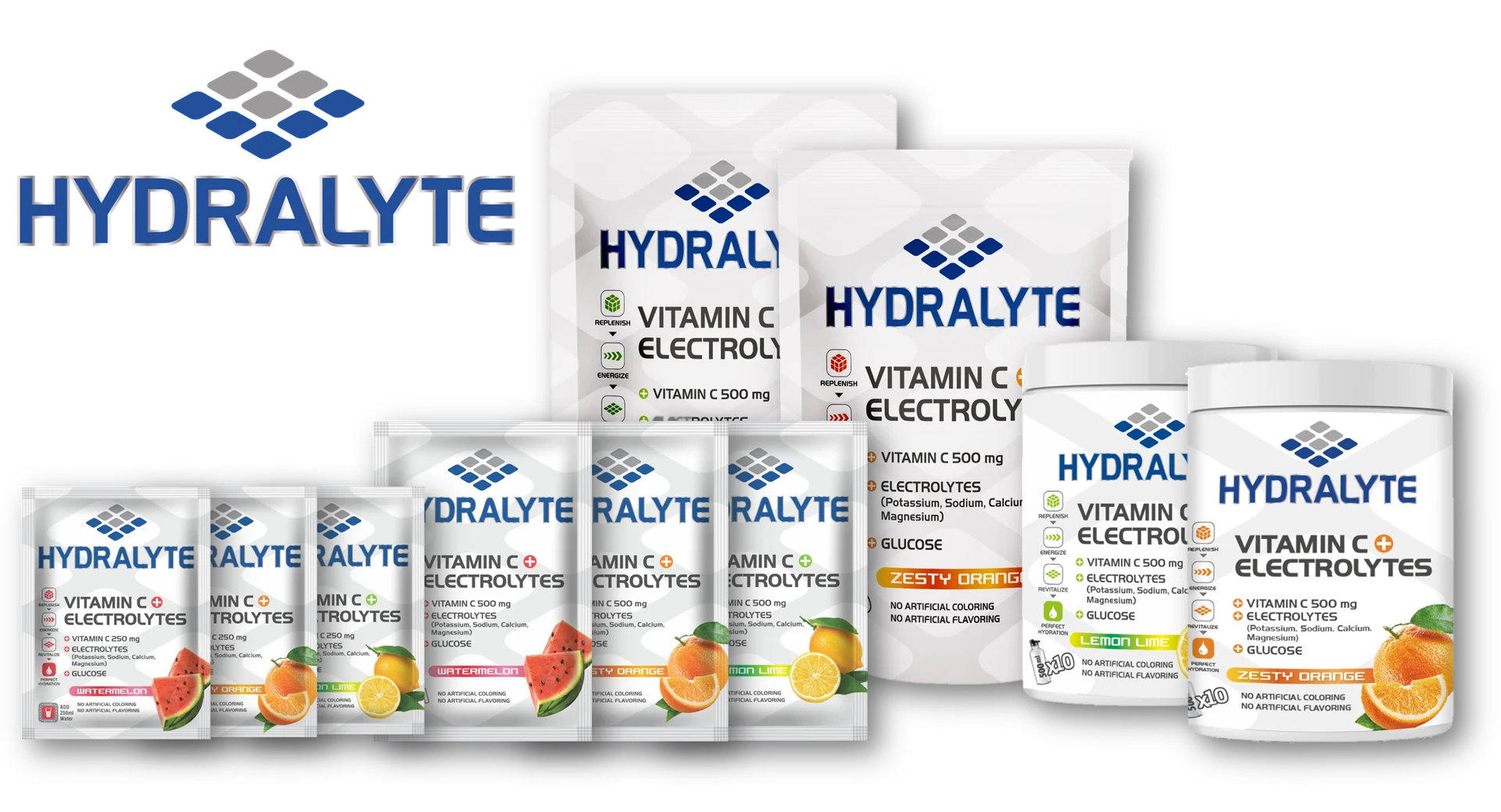
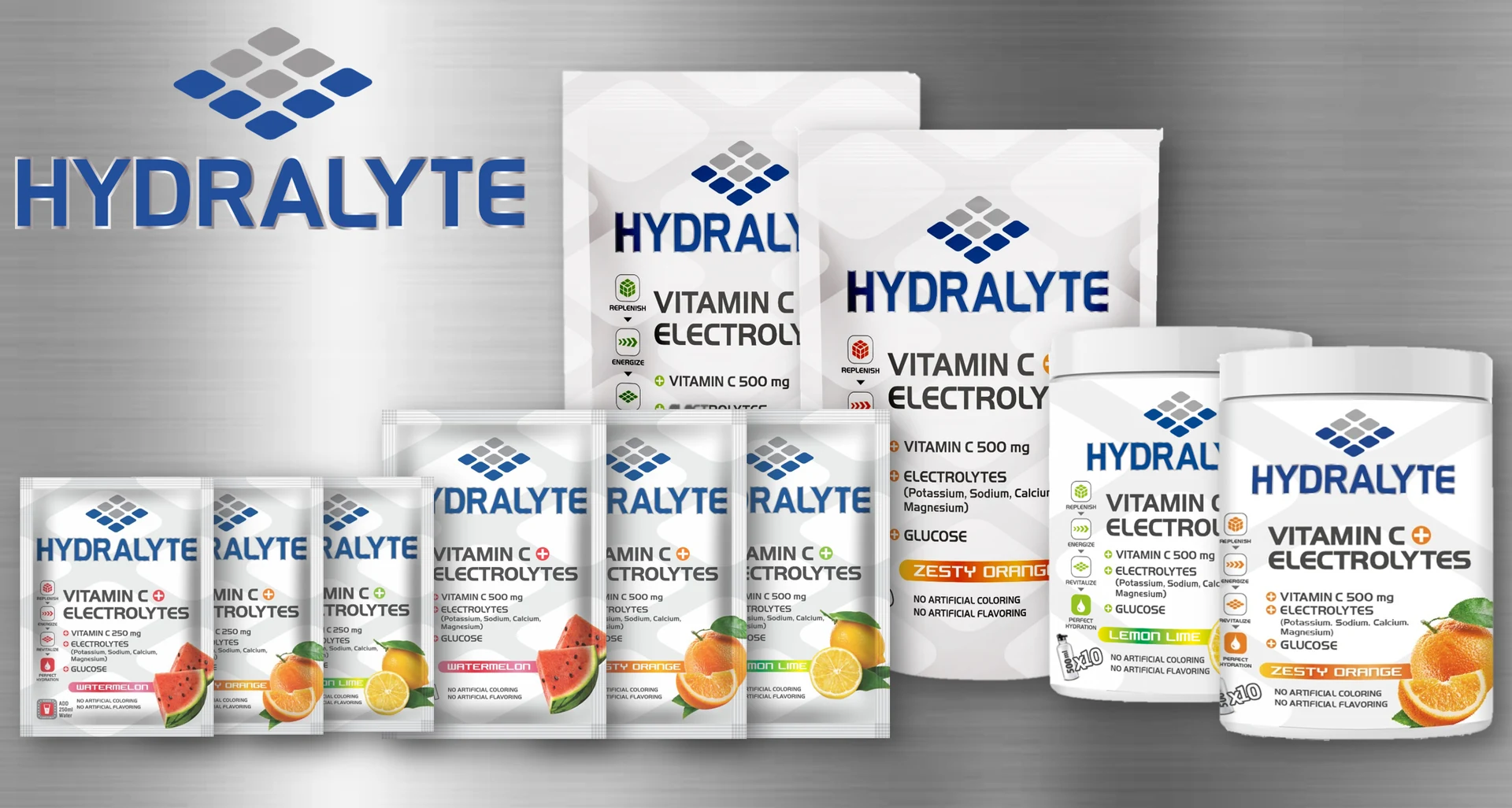
The Hydralyte stick pack serves as an industry benchmark for transparent and educational labeling. Its packaging features prominent pill-badge labels that allow procurement officers to verify key data points at a glance without needing to hunt through small print. For example, the Hydralyte stick pack label explicitly states it contains 500mg of Vitamin C for immune support, 105mg of Sodium for safe and repeated daily consumption, and 180mg of Potassium to assist with muscle recovery. This potassium-forward ratio is specifically designed for the UAE industrial sector, providing a low-sodium profile that avoids the cardiovascular concerns associated with high-salt alternatives. By using such a clearly labeled product as your standard, you simplify the audit process and ensure your site remains fully compliant with occupational health guidelines.
To receive full technical data sheets or request specific label documentation for your compliance files, contact the Hydralyte B2B procurement team at contact our team.
Frequently Asked Questions
What sodium level should I look for on an electrolyte product label for UAE occupational use?
For sustained daily occupational use (8-10 servings per day), look for sodium in the range of 90-150mg per 250ml serving (or 180-300mg per 500ml serving). This range aligns with established oral rehydration science and is safe for repeated daily consumption. Products listing sodium above 200mg per 250ml serving are likely formulated for sports event use, not sustained daily occupational consumption.
Why is it important to convert all electrolyte values to a 500ml serving for comparison?
Many electrolyte products list nutrition values per 100ml or per serving size that varies between products (250ml, 330ml, 500ml). Direct comparison between products listing different serving sizes is misleading. Convert all values to 500ml — multiply per-100ml values by 5, multiply 250ml values by 2 — to create a standardized comparison that reflects how much electrolyte a worker actually receives per serving.
What does the Hydralyte stick pack's pill badge labeling tell me at a glance?
The three pill badges on the Hydralyte stick pack tell you the three key per-serving values without opening the package: 500mg Vitamin C (immune support, antioxidant protection), 105mg Sodium (low-sodium, safe for daily occupational consumption), 180mg Potassium (high potassium, muscle function support). Together these confirm: potassium-forward formula, low-sodium occupational safety profile, and added Vitamin C for worker immune support.
Choosing the Right Hydralyte Format for Your Needs
Hydralyte is available in four pack sizes, each designed for different use cases:
- 10g Sachet (makes 250ml) — Ideal for individual carry in PPE pockets, gym bags, or travel. One sachet per serve.
- 20g Sachet (makes 500ml) — The most popular format for individual daily hydration. One sachet makes a standard water bottle serving.
- 200g Jar (makes 5 litres) — Perfect for home use, small office teams, or supplementing welfare station supply.
- 800g Pouch (makes 20 litres) — Designed for welfare station bulk mixing on construction sites, warehouses, and industrial facilities.
All four formats are available in three flavours: Orange Blast, Lemon Lime, and Pineapple. Each serve delivers the same potassium-rich, low-sodium isotonic formula with 500mg Vitamin C for immune support.
Explore the full range at Hydralyte Online Shop or request bulk pricing for corporate orders.
🏗 Protecting Outdoor Workers? Hydralyte supplies bulk electrolyte programs for construction, oil & gas, logistics, and manufacturing companies across the GCC — with full MoHRE compliance documentation. See Industry Hydration Programs →
🛒 Ready to try Hydralyte? Available in three refreshing flavours across multiple pack sizes — from individual sachets to 800g bulk pouches. Shop Hydralyte Online → or request a corporate quote.