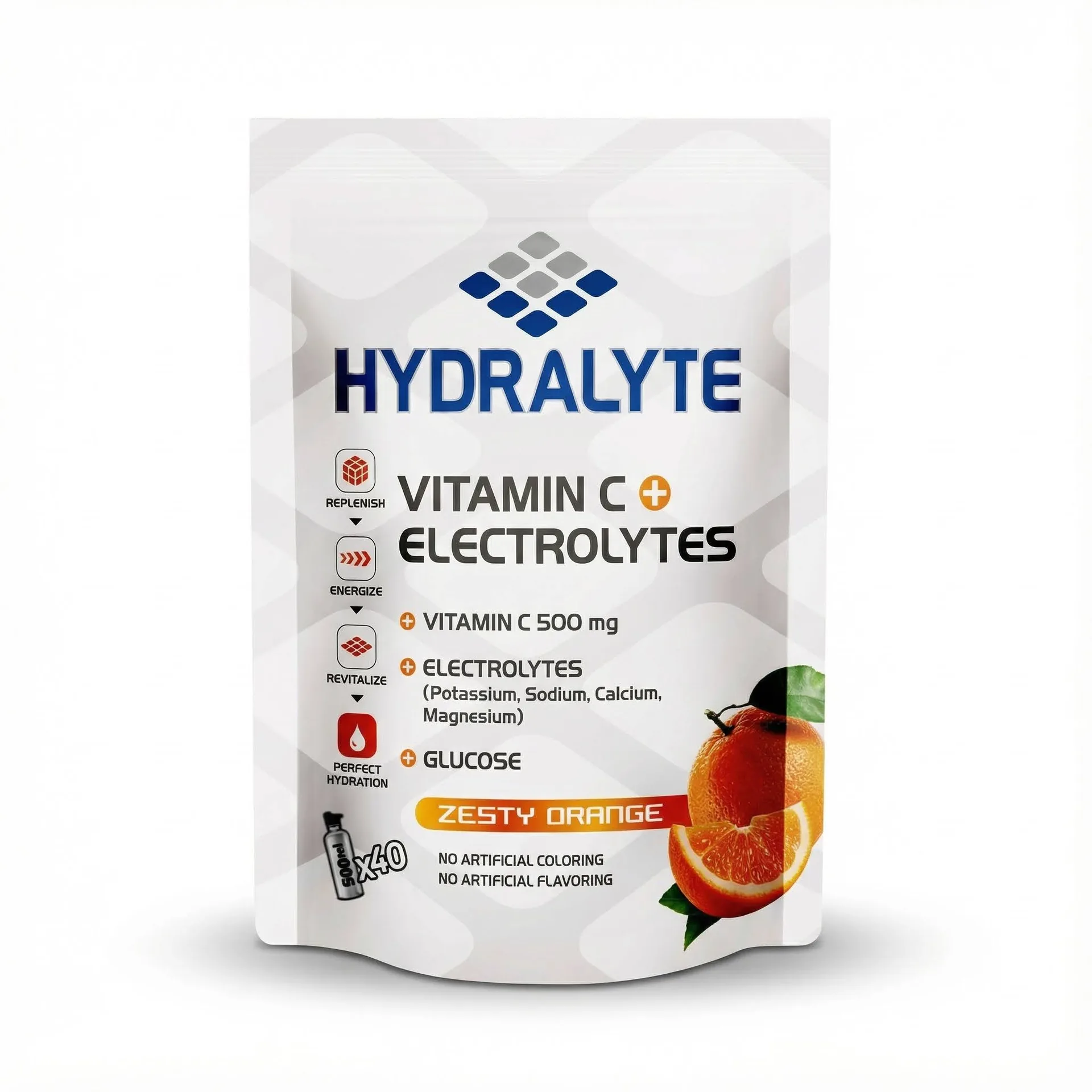
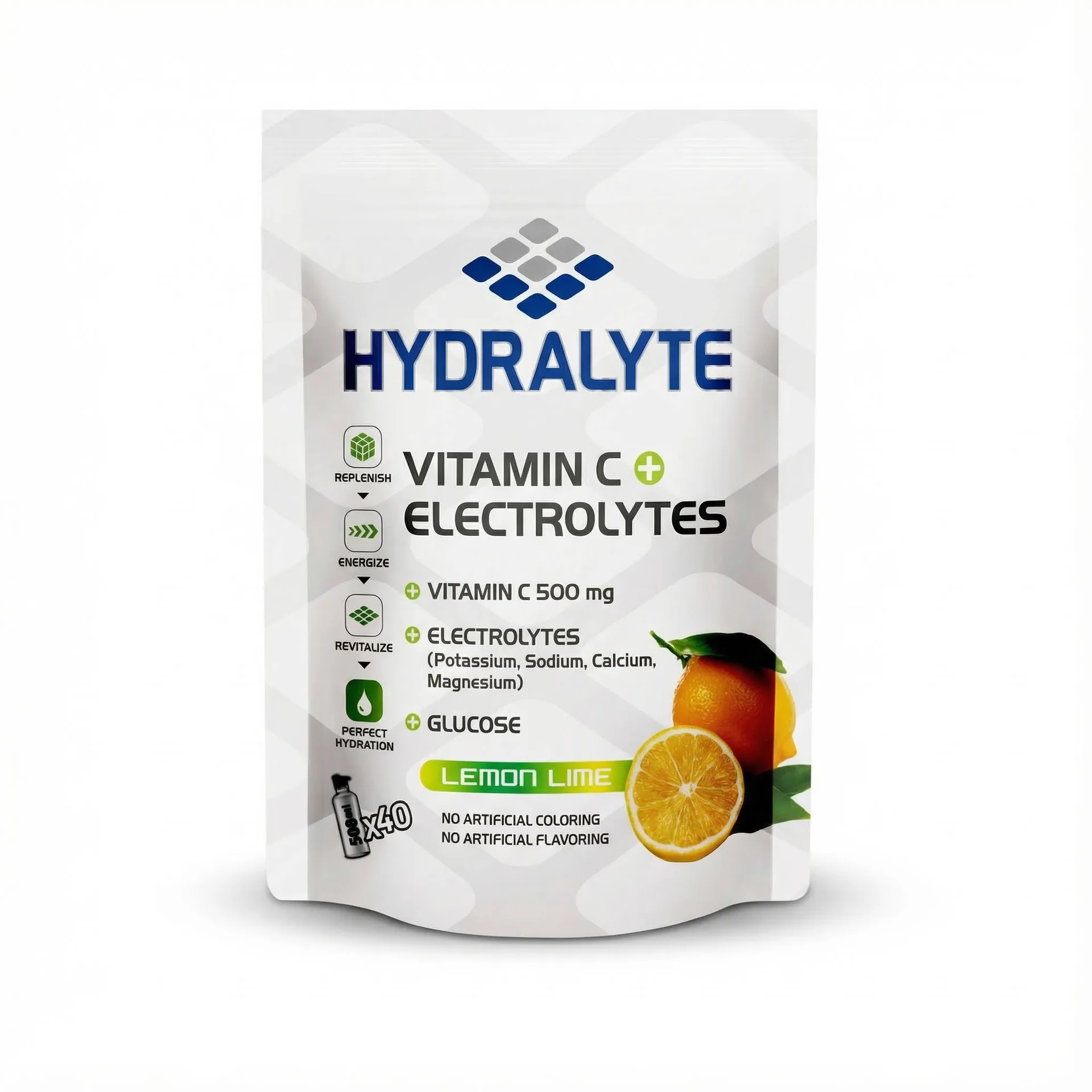
Optimizing Your Summer Safety Strategy with Wholesale Bulk Electrolyte Procurement UAE
Securing a reliable supply chain for <a href="/tools/heat-stress-assessment">heat stress</a> prevention is a critical priority for UAE procurement managers as we approach the 2026 summer season. Implementing a strategy for wholesale bulk electrolyte procurement UAE ensures that your <a href="/industries">workforce</a> remains protected against extreme thermal conditions while maintaining operational continuity. By transitioning from reactive, small-scale purchases to a structured wholesale model, businesses can use significant cost efficiencies and guarantee that essential hydration remains available across all project sites, from remote desert locations to high-rise construction hubs in Dubai and Abu Dhabi.
Calculating Volume for Large Scale Wholesale Bulk Electrolyte Procurement UAE
Precision in volume calculation is the foundation of effective seasonal procurement. To determine your total requirement, use the standardized formula: multiply your total outdoor worker headcount by the expected servings per day, then by the total number of peak summer working days, and finally apply a 1.2 buffer factor to account for heatwaves or extended shifts. For a project with 150 workers consuming an average of 8 servings each over a 90-day peak period, the base requirement is 108,000 servings. Applying the 1.2 buffer factor brings the total to 129,600 servings. When selecting formats, you must decide the split between 800g bulk pouches for centralized <a href="/industries">welfare station</a>s and 20g sachets or stick packs for personal issue. For example, if 70 percent of your distribution is centralized, you would require approximately 2,268 of the 800g pouches, with the remainder fulfilled by individual sachet boxes.
Evaluating Supplier Criteria and Compliance Documentation
When evaluating partners for wholesale bulk electrolyte procurement UAE, procurement managers must look beyond unit price to ensure regulatory and operational alignment. The primary criterion is formula compliance; the electrolyte must align with international established ORS principles and be backed by comprehensive technical data sheets. Reliability of delivery is equally vital, as a break in the supply chain during July or August poses an immediate safety risk. Your chosen supplier should provide a full compliance documentation package, including batch traceability and MOHRE-compatible safety certifications, to simplify your internal audit processes. Furthermore, dedicated account management and a proven track record of industrial-scale supply within the Emirates are non-negotiable for high-stakes B2B relationships.
Streamlining Account Setup and B2B Payment Terms
Establishing a wholesale account requires specific documentation to ensure a seamless transactional relationship. Professional UAE businesses should expect to provide a valid trade license and VAT registration certificate during the onboarding process. For large-scale seasonal orders, you should negotiate net-30 payment terms, which are standard for established corporate entities in the region. Ensure that your account setup includes a commitment to provide batch-specific documentation and certificate of analysis with every delivery. This proactive approach ensures that your logistics and safety teams have the necessary paperwork for site inspections and quality control from the very first shipment of 200g jars or bulk pouches.
Managing Delivery Logistics for UAE Industrial Sites
Logistical resilience is the final pillar of a successful procurement strategy. Lead times can vary by emirate, so it is essential to establish a standing order structure that schedules deliveries well in advance of peak heat periods. Most industrial suppliers require specific minimum order quantities for wholesale pricing, typically starting at full pallet increments. Procurement managers should evaluate a supplier's contingency planning and their ability to ramp up delivery frequency during extreme heat notifications. By securing a committed delivery schedule before the mid-June peak, you mitigate the risks of regional stockouts and ensure that your 800g pouches and personal issue stick packs are always on-site when needed. For a customized wholesale proposal tailored to your headcount, contact our team at contact our team.
Frequently Asked Questions
How do I calculate the right volume of Hydralyte for a UAE summer season?
Formula: (outdoor workers) × (8 servings/day) × (90 working days) × (1.2 buffer factor). For 150 workers: 150 × 8 × 90 × 1.2 = 129,600 servings. Convert to formats: if using 800g pouches (40 servings each) this requires 3,240 pouches. Adjust the format mix based on how much of your workforce uses personal issue sachets versus welfare stations.
What criteria should UAE procurement managers use to evaluate electrolyte suppliers?
Five criteria: (1) Formula compliance with established oral rehydration science with documented certifications. (2) UAE delivery coverage and lead times for your emirate. (3) Compliance documentation package satisfying MOHRE audit requirements. (4) Account management responsiveness and standing order capability. (5) Shelf life and storage specifications appropriate for UAE site conditions.
What account setup terms should UAE procurement managers request?
Request: net-30 payment terms for established businesses, MOHRE-compatible compliance documentation at account setup, batch traceability documentation with every delivery, named account manager contact, and confirmed standing order delivery schedule for the full summer season before June 15.
🛒 Ready to try Hydralyte? Available in three refreshing flavours across multiple pack sizes — from individual sachets to 800g bulk pouches. Shop Hydralyte Online → or request a corporate quote.
Procurement Planning for GCC Summer Heat Season
Effective electrolyte procurement for the GCC summer season requires planning that begins 8–12 weeks before June 15 (the start of the MoHRE midday work ban). Demand modelling should account for workforce size, ambient temperature projections, work intensity levels, and Ramadan timing.
A standard estimation formula: Workers × daily litres × 26 working days × summer months. For example, 500 workers consuming 2 litres of Hydralyte per day across 4 summer months requires approximately 104,000 litres — equivalent to 5,200 Hydralyte 800g pouches or 208,000 individual 10g sachets.
Use the Hydralyte ROI Calculator to model exact quantities and costs for your specific workforce configuration. Request a corporate quote for volume pricing across all four Hydralyte pack sizes: 10g sachets, 20g sachets, 200g jars, and 800g bulk pouches.
Supplier Evaluation: What to Look for in Workforce Electrolyte Products
When evaluating electrolyte suppliers for your workforce, prioritise these criteria: isotonic formulation (matches body fluid concentration), potassium-rich composition (designed for daily use), low sugar content (prevents bloating and energy crashes), transparent ingredient information, and MoHRE-ready compliance documentation.
Avoid products that are designed primarily for medical-grade acute dehydration (high-sodium ORS) or sports performance (high-sugar energy drinks). Workforce hydration products need to be safe for consumption multiple times per day, every day, for months — a very different use case than emergency rehydration or pre-workout supplementation.