Optimizing Iftar Recovery Electrolytes for UAE Outdoor Workers to Ensure Operational Safety
For HR managers and welfare officers, the holy month of Ramadan requires a strategic shift in hydration management. The primary objective is to address the significant physiological strain placed on fasting personnel during the daylight hours. Providing iftar recovery electrolytes for UAE outdoor workers is not merely a gesture of cultural respect but a critical safety intervention. By implementing a structured rehydration protocol at sunset, companies can ensure their workforce recovers efficiently, reducing the risk of cumulative <a href="/tools/heat-stress-assessment">heat stress</a> and maintaining productivity for the following day.
The Concrete Scale of Electrolyte Deficit at Iftar
Understanding the magnitude of fluid loss is essential for designing an effective recovery program. A construction worker engaged in heavy labor during a 12-14 hour fast in the UAE summer can accumulate a staggering fluid deficit of 3 to 5 liters by sunset. This loss is accompanied by a depletion of 10 to 20 grams of sodium equivalent, along with significant amounts of potassium and magnesium. When iftar arrives, the body is in a state of meaningful dehydration. Simple water intake is insufficient to correct this imbalance; the rapid deployment of iftar recovery electrolytes for UAE outdoor workers is required to restore the osmotic pressure of the blood and ensure cellular rehydration begins immediately upon breaking the fast.
Maximizing the Physiological Recovery Window
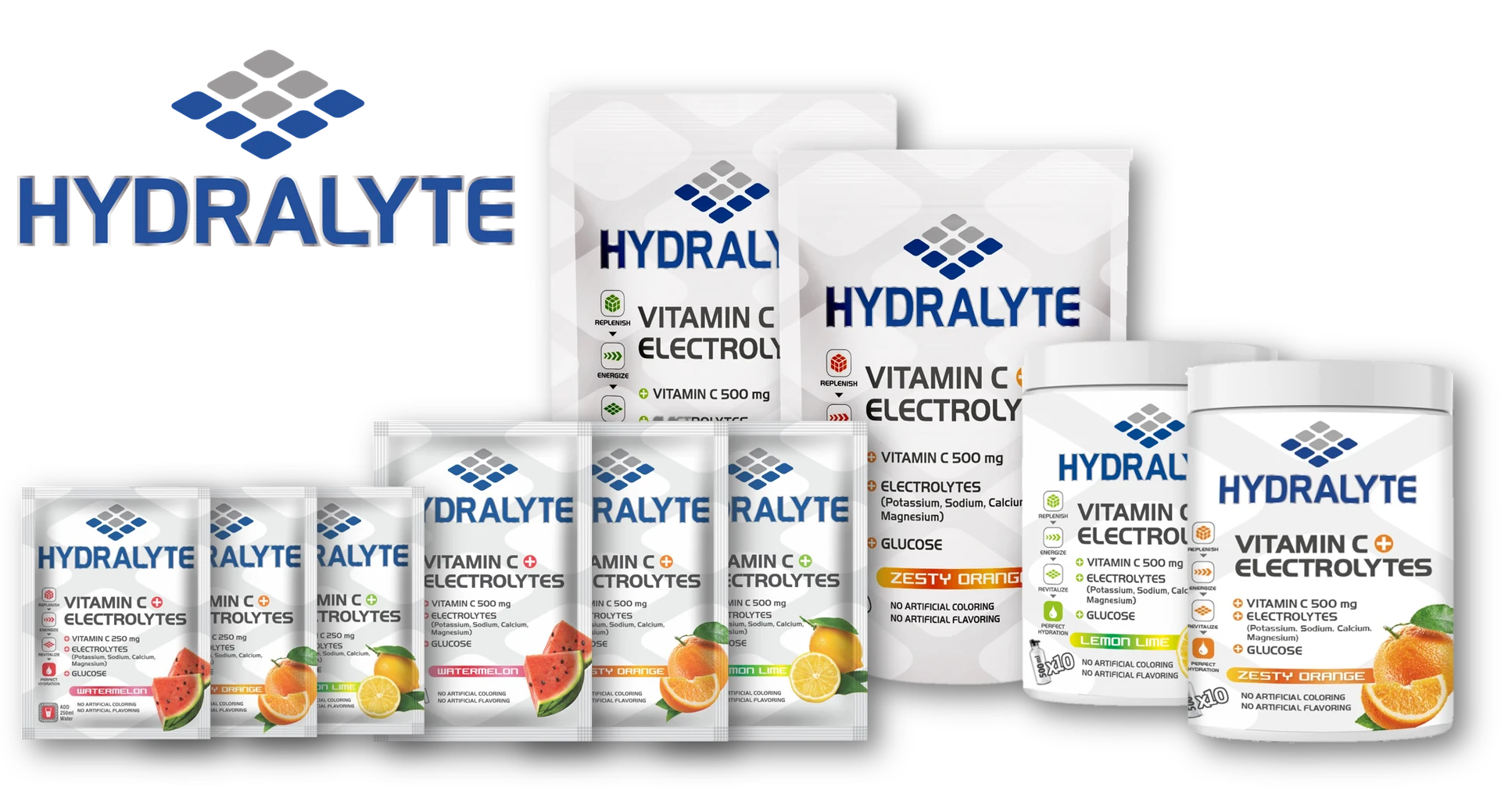
The period between iftar and suhoor represents the only opportunity for the body to reset its physiological markers before the next fasting cycle begins. This overnight recovery window is narrow and must be managed with precision. Efficient recovery during this time determines a worker's thermoregulatory capacity for the next shift. By utilizing Hydralyte 800g pouches at communal iftar stations, employers can facilitate the rapid absorption of essential salts. This proactive approach ensures that the heart rate and core temperature of workers return to baseline levels, effectively treating the day's deficit and preparing the internal system for the stresses of the upcoming work day.
Implementing a Practical Iftar Recovery Electrolytes for UAE Outdoor Workers Program
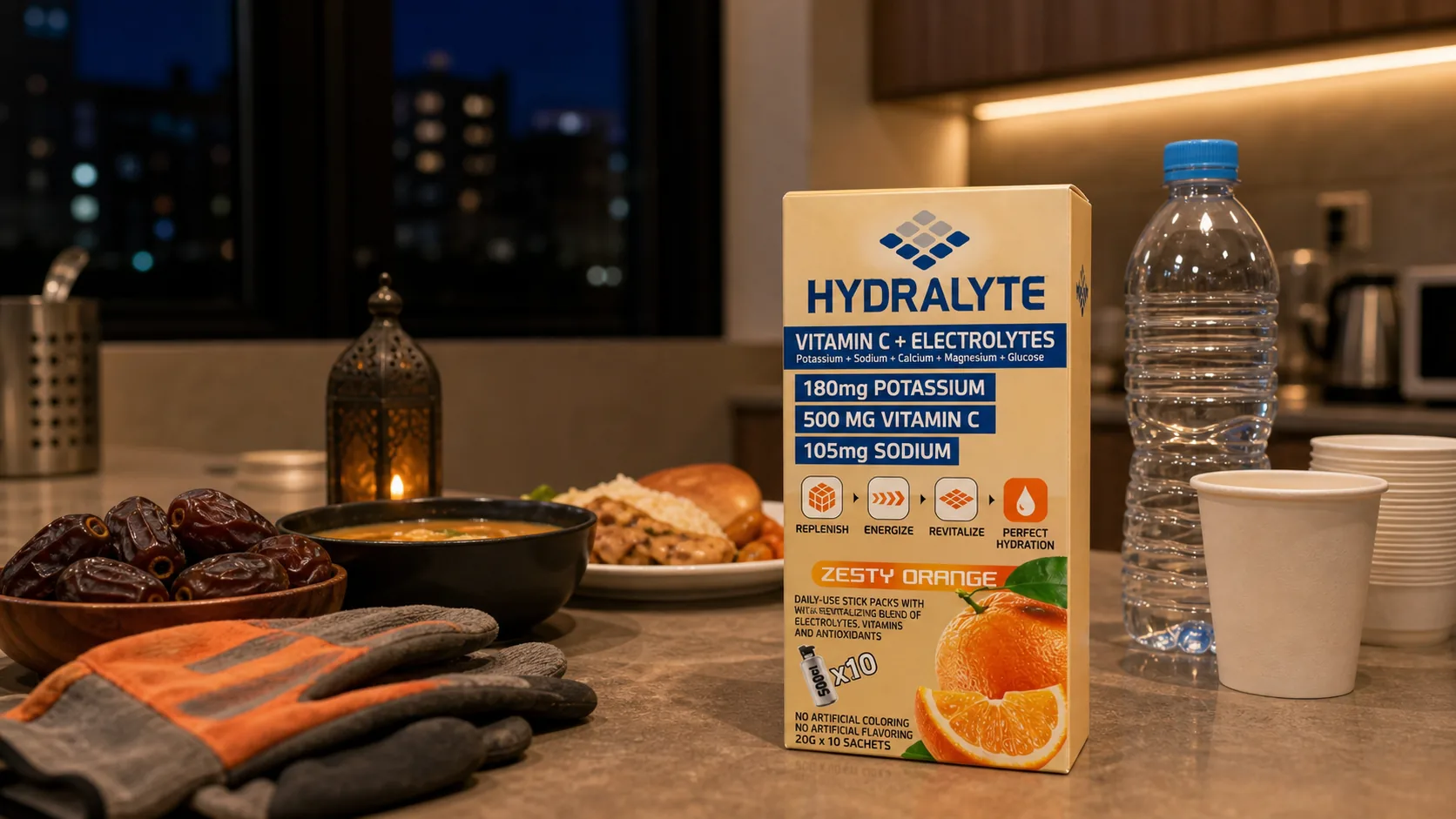
A high-performance hydration program requires more than a single serving of fluids. The protocol should begin with an initial electrolyte serving at the moment the fast is broken, ideally alongside traditional dates to use the sodium-glucose cotransport mechanism for faster absorption. For those in high-intensity roles such as concreting or scaffolding, a follow-up serving should be administered approximately two hours after the main meal. Throughout the evening, workers should be encouraged to maintain consistent water intake. Providing personal sachets as backup provision allows workers to continue their rehydration journey in their private accommodations, ensuring they do not rely on high-sugar or caffeinated beverages that can exacerbate dehydration.
Welfare Station Setup for Cultural Integration and Compliance
The success of any hydration initiative depends on worker uptake, which is significantly improved when the provision is integrated into the cultural context of Ramadan. Iftar is a communal and spiritual event; therefore, welfare stations should be designed to reflect this significance. Positioning Hydralyte 800g pouches alongside traditional items like dates and laban creates a respectful environment that encourages participation. When workers feel their welfare is prioritized through culturally aligned programs, compliance with safety protocols increases. This setup not only fulfills the employer's duty of care but also serves as a visible investment in the long-term health and performance of the workforce. For specialized guidance on designing your Ramadan safety program, contact our team at contact our team.
Frequently Asked Questions
How much electrolyte deficit does a UAE outdoor worker accumulate during Ramadan fast?
A construction worker in heavy labor during a 12-14 hour fast in UAE summer can accumulate a fluid deficit of 3-5 liters and lose 10-20 grams of sodium equivalent. The iftar window must begin replacing this deficit before the next fasting day starts.
When should workers consume Hydralyte during iftar?
Immediately at iftar — before or alongside the first food. Consuming electrolytes before eating allows faster absorption through the sodium-glucose cotransport mechanism. Eating a full meal first slows absorption as digestion occupies the gut.
Should high-intensity workers receive more than one serving at iftar?
Yes. Workers in very high-intensity roles — heavy lifting, concreting, scaffolding — with larger accumulated deficits should receive a second Hydralyte serving 90-120 minutes after iftar as part of their overnight recovery.
🛒 Ready to try Hydralyte? Available in three refreshing flavours across multiple pack sizes — from individual sachets to 800g bulk pouches. Shop Hydralyte Online → or request a corporate quote.
Understanding Fasting-Related Dehydration in UAE Summers
When Ramadan falls during the UAE summer months, outdoor workers face a compounded challenge: they cannot consume any liquids during daylight hours while still being exposed to extreme heat. This creates a dehydration deficit that accumulates daily and cannot be fully recovered during the shorter nighttime eating window.
Research indicates that fasting workers in GCC heat can experience fluid deficits of 3–5% of body weight by the end of a working day — well beyond the 1–2% threshold at which cognitive impairment begins. This makes pre-dawn hydration (Suhoor) and post-sunset recovery (Iftar) absolutely critical.
Hydralyte's potassium-rich isotonic formula is particularly valuable during Ramadan because it supports rapid and complete electrolyte replacement in a limited consumption window. Unlike high-sugar sports drinks that cause blood sugar spikes and subsequent crashes, Hydralyte provides sustained hydration support with low sugar.
Employer Obligations During Ramadan in the UAE
UAE labour law does not exempt employers from heat safety obligations during Ramadan. Employers must still provide shaded rest areas, approved rehydration materials, and adjusted work schedules. The MoHRE midday work ban (12:30–3:00 PM, June 15–September 15) applies regardless of Ramadan timing.
Practical steps include: offering Hydralyte sachets at Suhoor for pre-loading, providing Hydralyte at Iftar break stations for rapid recovery, and ensuring non-fasting workers still have access to electrolytes throughout the day. Document all Ramadan-specific hydration provisions as part of your MoHRE compliance records.