Optimizing Safety with a Formal Suhoor Electrolyte Planning for Outdoor Workers Protocol
For HSE managers operating in the UAE, the holy month of Ramadan introduces a significant layer of risk management to construction and industrial sites. Standard <a href="/tools/heat-stress-assessment">heat stress</a> programs often focus on the working day, but effective risk mitigation begins during the pre-dawn meal. Implementing a formal suhoor electrolyte planning for outdoor workers protocol is the only reliable way to ensure that fasting personnel start their shifts with the physiological resilience necessary to endure high temperatures. By standardizing what is consumed before the fast begins, employers can significantly reduce the incidence of heat-related illness during the most demanding hours of the afternoon.
Why Suhoor Electrolyte Planning for Outdoor Workers Requires a Structured Plan
The suhoor window is notoriously brief, often lasting only 30 to 60 minutes before the call to prayer. During this time, workers are frequently waking from deep sleep and may prioritize rest over rigorous hydration. Without a structured employer-led protocol, fluid and electrolyte intake becomes inconsistent. When left to individual discretion, workers often consume plain water or tea, neither of which provides the sustained cellular hydration required for a 12-hour fast. A formal suhoor electrolyte planning for outdoor workers strategy ensures that every fasting individual receives a scientifically balanced dose of electrolytes, transforming a chaotic morning routine into a verified safety intervention.
Logistical Implementation: Work Camp Distribution vs. Private Accommodation
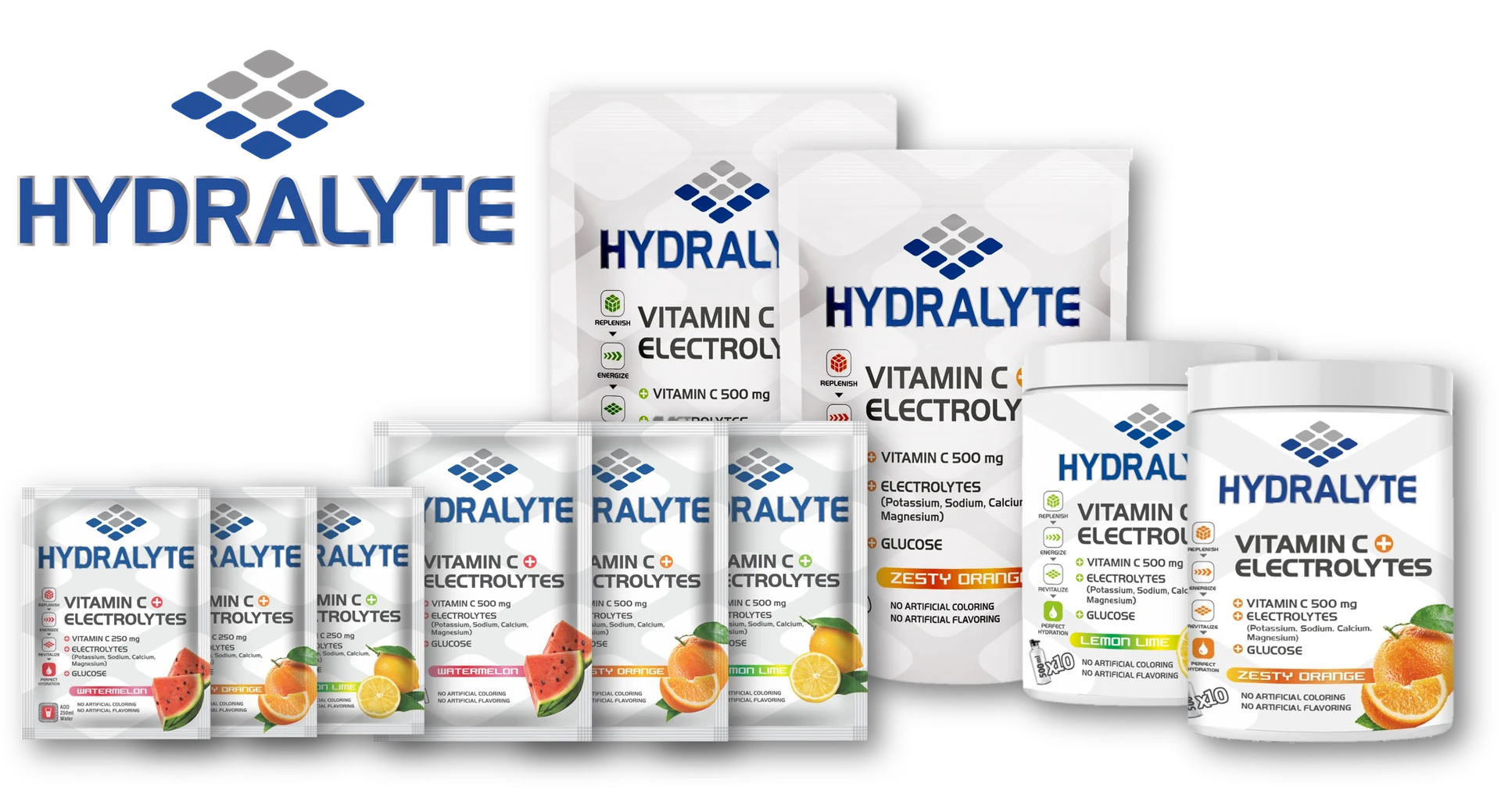
Executing suhoor provision requires a two-pronged logistical approach based on worker housing. For those residing in company work camps, a centralized distribution point is most effective. Welfare officers can manage the bulk preparation of electrolyte drinks or distribute individual portions as workers enter the dining hall. However, for workers in private or decentralized accommodation, the logistics shift to a personal issue model. In these cases, issuing a weekly supply of Hydralyte stick packs or sachets allows workers to maintain the protocol independently. Providing these portable formats ensures that the duty of care extends beyond the campsite, allowing for seamless hydration regardless of where the worker spends their evening hours.
Designing the Suhoor Protocol: Timing and Consumption Order
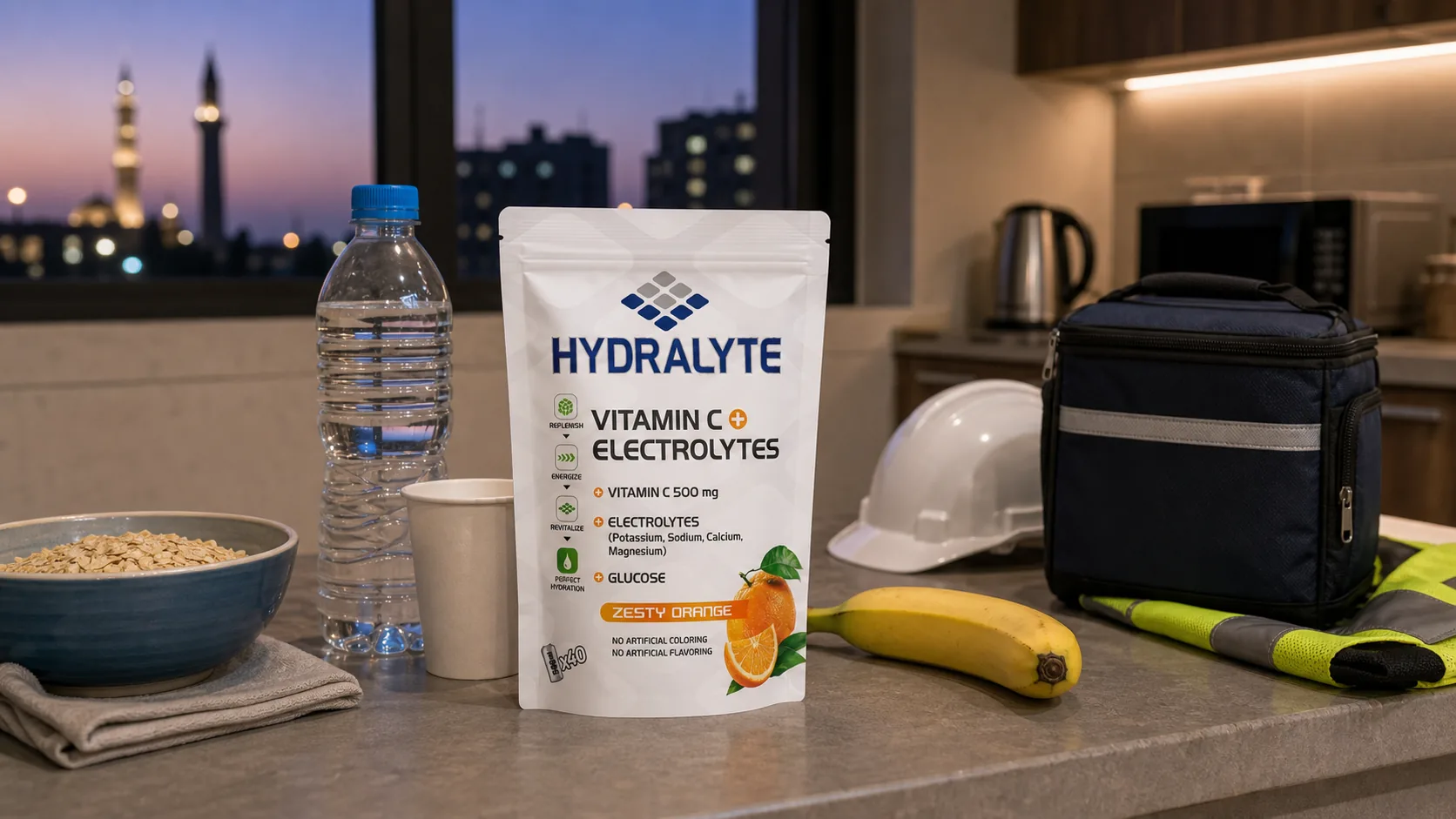
The success of the suhoor electrolyte planning for outdoor workers protocol depends on precise timing. Workers should be instructed to consume 500ml of water mixed with a Hydralyte sachet approximately 30 minutes before the dawn call. This timing allows for optimal absorption before the fasting period begins. It is recommended to consume the electrolyte solution alongside a meal rich in complex carbohydrates and proteins to slow the rate of gastric emptying. Keeping Hydralyte stick packs directly by the bedside is a practical tip that increases compliance, as it removes the friction of searching for supplies during a period of high fatigue. This pre-loading phase is critical for maintaining blood volume and thermoregulation throughout the subsequent work shift.
Tracking Compliance for Safety and MOHRE Documentation
A safety protocol is only as good as its documentation. For HSE managers, tracking suhoor provision is essential for both internal safety auditing and demonstrating compliance during MOHRE labor inspections. At camp-based distribution points, a simple sign-off sheet where workers acknowledge receipt of their daily electrolyte serving provides an objective record of the program’s reach. For personal issue models, a weekly signature upon receipt of seven Hydralyte stick packs serves a similar purpose. These records provide tangible evidence that the employer has taken proactive steps to mitigate the combined risks of fasting and heat stress, creating a robust paper trail that supports the overall site safety culture. To implement a specialized suhoor safety program for your workforce, contact our procurement team at contact our team.
Frequently Asked Questions
How can employers facilitate suhoor provision for workers in private accommodation?
Issue 7 stick packs or sachets per fasting worker at the end of each work week — enough for the following week's suhoor. Workers self-administer at home before dawn. A brief instructions card in the worker's language improves compliance significantly.
What is the minimum suhoor hydration protocol for UAE outdoor workers?
One Hydralyte serving with 500ml water consumed 30 minutes before the dawn call. Even workers with limited time can achieve this with a pre-issued sachet kept by their bed. Employer-issued sachets produce far higher compliance rates than expecting workers to source their own.
How should welfare officers track suhoor provision in UAE work camps?
A simple sign-off sheet where workers sign when collecting their suhoor sachet provides adequate tracking without intrusive monitoring. These records also serve as MOHRE Ramadan hydration compliance documentation.
🛒 Ready to try Hydralyte? Available in three refreshing flavours across multiple pack sizes — from individual sachets to 800g bulk pouches. Shop Hydralyte Online → or request a corporate quote.
Understanding Fasting-Related Dehydration in UAE Summers
When Ramadan falls during the UAE summer months, outdoor workers face a compounded challenge: they cannot consume any liquids during daylight hours while still being exposed to extreme heat. This creates a dehydration deficit that accumulates daily and cannot be fully recovered during the shorter nighttime eating window.
Research indicates that fasting workers in GCC heat can experience fluid deficits of 3–5% of body weight by the end of a working day — well beyond the 1–2% threshold at which cognitive impairment begins. This makes pre-dawn hydration (Suhoor) and post-sunset recovery (Iftar) absolutely critical.
Hydralyte's potassium-rich isotonic formula is particularly valuable during Ramadan because it supports rapid and complete electrolyte replacement in a limited consumption window. Unlike high-sugar sports drinks that cause blood sugar spikes and subsequent crashes, Hydralyte provides sustained hydration support with low sugar.
Employer Obligations During Ramadan in the UAE
UAE labour law does not exempt employers from heat safety obligations during Ramadan. Employers must still provide shaded rest areas, approved rehydration materials, and adjusted work schedules. The MoHRE midday work ban (12:30–3:00 PM, June 15–September 15) applies regardless of Ramadan timing.
Practical steps include: offering Hydralyte sachets at Suhoor for pre-loading, providing Hydralyte at Iftar break stations for rapid recovery, and ensuring non-fasting workers still have access to electrolytes throughout the day. Document all Ramadan-specific hydration provisions as part of your MoHRE compliance records.